Category: EV Charging For Commercial Buildings and Workspaces

  • How Real Estate Developers Can Monetize EV Charging in India (2026 Guide) 

    How Real Estate Developers Can Monetize EV Charging in India (2026 Guide) 

    Electric vehicles (EVs) are rapidly gaining traction in India’s mobility landscape, bringing new opportunities for real estate developers. By 2025, EV sales accounted for 7.6% of all vehicle sales in India, steadily climbing toward the government’s 30% target by 2030. This surge in EV adoption is driving demand for accessible charging infrastructure in residential complexes, commercial centers, and mixed-use developments.  

    Developers who integrate EV charging for real estate early can future-proof their properties, attract premium tenants, and command higher asset values. But monetizing EV charging is not a simple “install and forget” exercise. It requires navigating evolving policies, choosing viable business models, and balancing upfront costs with long-term returns.  

    In this blog, we explore:   

    • Direct revenue models for EV charging monetization  
    • Indirect ways EV charging enhances property value, occupancy, and ancillary revenue  

    Direct Revenue Models for EV Charging Infrastructure for Real Estate 

    Simply installing chargers is not enough. Developers need a clear business model to recover costs and generate returns. Below are the primary monetization approaches you can consider:

    1. Pay-Per-Use Charging (Direct Revenue per kWh/Session) 

    Under this classic model, EV drivers pay for the energy they consume or the time they spend charging. The property owner (or its facility management) operates the chargers and collects fees directly from users.  

    Pricing is typically set on a per kilowatt-hour basis (e.g., ₹10–₹18 per kWh, often indexed to electricity cost) or per minute in the case of DC fast chargers.  

    Revenue Potential 
    Pay-per-use offers straightforward revenue that scales with utilization. For example, if you charge ₹12/kWh and a charger dispenses 300 kWh in a month, that’s ₹3,600 revenue per charger. At high-traffic locations, the numbers can be significant.  

    Use Case 
    This model works well for commercial and mixed-use developments such as malls, cinemas, highway food plazas, and hotels. It can also be applied in residential complexes or offices as a way for residents/employees to pay only when they charge (instead of a flat fee). 

    Management Considerations 
    If a developer chooses this model, they must handle the operations. This includes payment processing, uptime maintenance, and customer service. Luckily, there are white-label software platforms and O&M (Operations and Maintenance) service providers that make these tasks easier. Many charging stations today run on management apps that handle user authentication and digital payments, so the property doesn’t need to build its own system. Still, the developer is essentially running a mini-utility service.  
     
    Tip: Partnering with established charging networks ensures visibility on EV charger maps, boosting footfall. 

    2. Subscription and Membership Models (Recurring Revenue) 
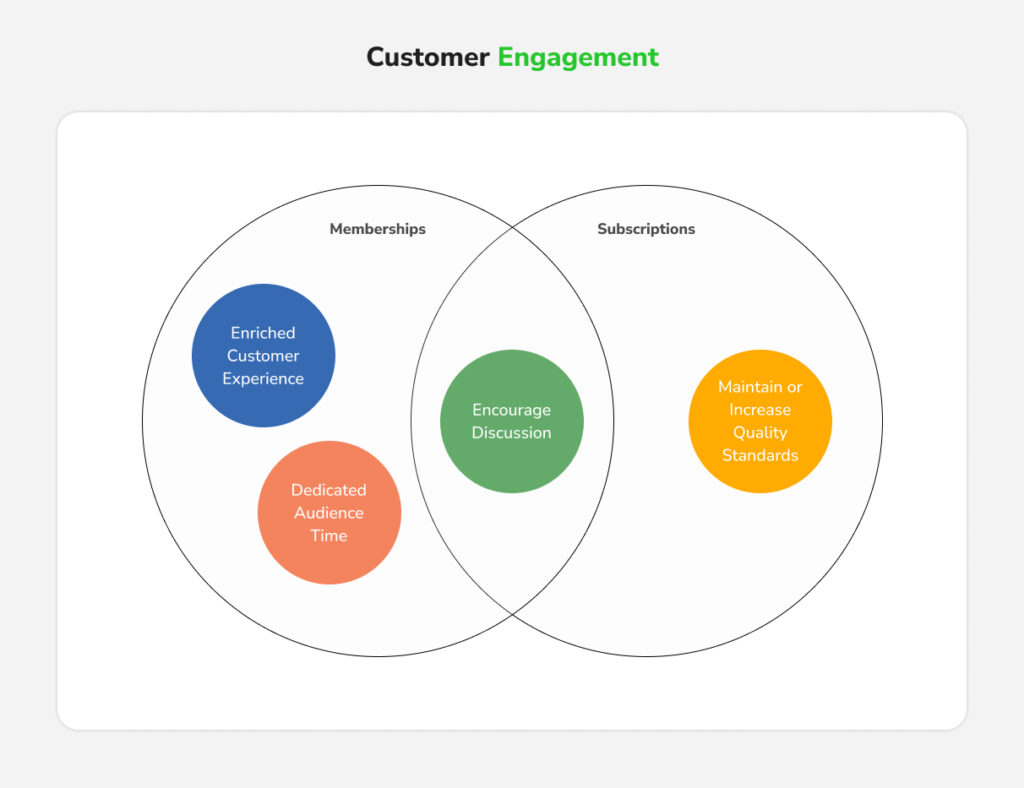
    Diagram illustrating benefits of subscription and membership models

    The subscription model offers EV charging as a service package; users pay a fixed periodic fee for access to charging. This could be structured as: 

    • Monthly flat fee for unlimited charging. 
    • Membership plans offering discounted per-kWh rates or reserved charging slots for a subscription fee. 
    • Prepaid plans where residents or employees pay a fixed amount that includes a bundle of charging hours. 

    Use case

    Subscription and membership models make a lot of sense for real estate developers: 

    • Residential Complexes: RWAs could levy an “EV charging amenity charge” of ₹500–₹1000 per month per EV-owning household. In return, those residents get unlimited charging at the society’s chargers (or a generous cap that effectively feels unlimited). This guarantees the RWA as a steady income stream to offset electricity bills and charger upkeep. It’s like adding an EV line item to maintenance dues. 
    • Offices and Campuses: An office park could offer employees a subscription (possibly paid for by the tenant company) for reserved daytime charging. E.g., employees pay ₹2000/month for the convenience of always finding a spot to plug in at work. Some employers subsidize this or include it in their green initiatives. 
    • Commercial Memberships: A retail chain or mall could have a loyalty program offering discounted charging for a yearly membership fee. Similar to how clubs offer parking privileges. 

    Revenue Potential 

    Subscriptions provide predictable recurring revenue. Even if a given subscriber charges only sparingly, you still collect the full fee, which helps cover fixed costs. It also increases charger utilization (since subscribers feel “I’ve paid for it, I should use it”), which is good for achieving ROI on the asset. In fact, one strategy is to combine subscription with usage fees. For example, offer a small monthly subscription that gives members cheaper per-kWh rates than non-members. This way, you build loyalty while earning steady recurring revenue. 

    Benefits  

    • User Stickiness: From a marketing perspective, once a resident or tenant is on a subscription, they are less likely to move out because they’ve integrated that service into their routine.  
    • Administrative Ease: Implementing subscriptions might involve some management overhead (tracking eligible vehicles, ensuring one subscriber doesn’t hog the charger 24×7, etc.). But these can be handled via simple tech such as RFID cards, app-based profiles, or a fair-use policy.  

    3. Leasing Space to Charge Point Operators (CPOs) 

    In this model, the developer leases space to a third-party charging company, who installs and runs the charging station.  

    The developer’s monetization comes from rent or revenue sharing from the operator. Essentially, your property becomes a host location —much as allowing a telecom tower or an ATM on your premises for a fee. 

    • No CapEx, Low Risk: The biggest advantage here is that the developer’s upfront investment is minimal. The CPO typically bears the cost of equipment and installation. For an existing building, this is hugely attractive; many housing societies have taken this route to avoid spending their own funds.  
    • Steady Income: The income to the developer in this model might be a fixed rental, say ₹X per month for using 5 parking spots, or 10-20% of the revenue from each charging session, or a combination. The absolute amount may be lower than what you could earn if you ran it yourself at high utilization, since the CPO keeps a cut for their services. From an ROI perspective, it turns a potentially large CapEx project into a simple real estate rental yield. For some developers, that trade-off is worth it. 
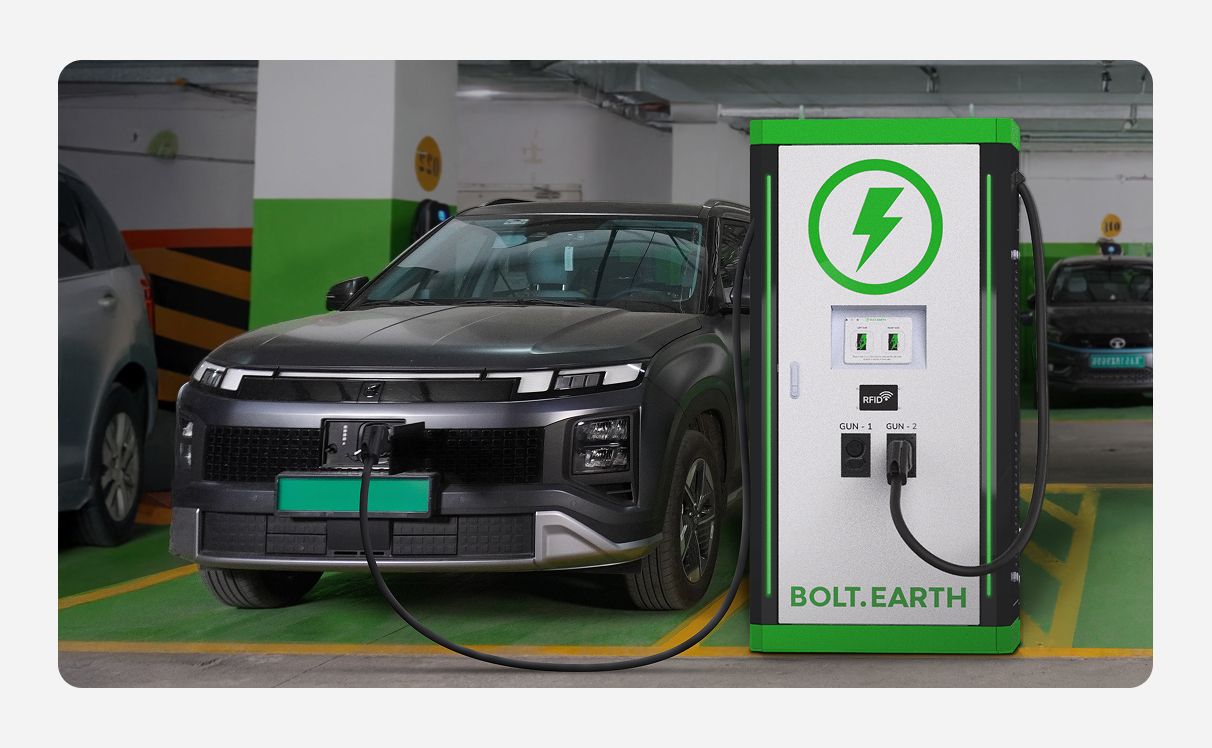
    • Expertise and Customer Base: Another benefit is that established CPOs come with their brand, app, and existing customer base. For example, if Bolt.Earth installs a charger at your mall, EV drivers using the Bolt.Earth EV Charging App will automatically see and use it, bringing in footfall. The operator ensures the station is maintained, the firmware is updated, etc. This takes technical and operational complexity off the developer’s plate. 

    Use Case

    Locations with good potential usage where a charging company is interested in expanding. This could be a busy mall, supermarket, parking garage, highway hotel, or even a large residential complex. Many petrol pump owners have adopted this model; they lend space to a CPO to install chargers at the pump, often under a revenue share. The same concept extends to commercial EV charging stations: if you have a strategic location, multiple operators might even bid to set up there. 

    4. Integrated “Energy-as-a-Service” (EaaS) Solutions 
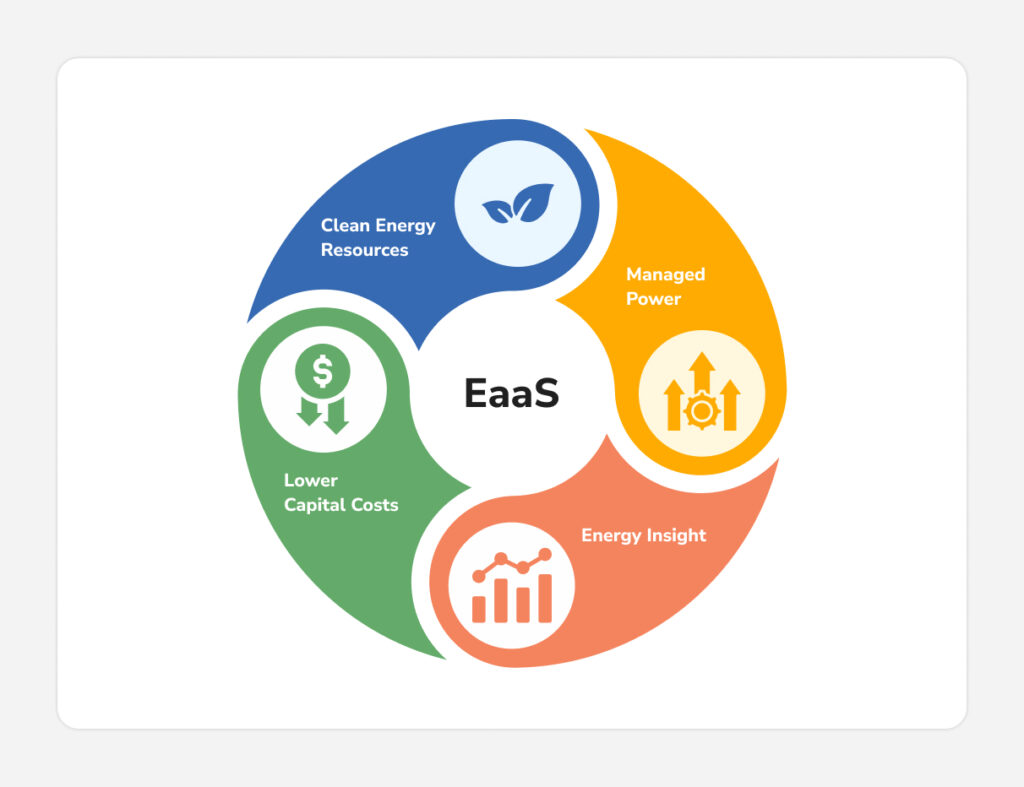
    This is an emerging, more holistic model where EV charging is combined with on-site energy infrastructure (like solar panels, battery storage, and energy management systems) and offered as a bundled service. Essentially, a third party or the developer itself provides the entire energy and charging setup to tenants as a service, often on a subscription or fixed-fee basis. It’s called “energy-as-a-service” because the focus is on delivering energy/charging to users without users investing in equipment like UPS or EV chargers. 

    • Monetization for Developer: If the developer partners with an EaaS provider, they might structure a profit-sharing or lease arrangement. Alternatively, large real estate players might set up their own subsidiary to provide EaaS in their campuses.  

    Benefits  

    • EaaS setups often incorporate renewable energy (solar) to reduce operating costs. Solar + battery can supply daytime EV charging at near-zero marginal cost after capex. This improves the ROI while also advertising the solution as 100% green.  
    • EaaS also enables peak load management; the battery can shave off peaks, ensuring the building’s overall electricity bill is optimized even as EV charging adds load. All these technical optimizations translate to better margins for the operator. From the user perspective, it’s convenient and can be cost-stable (e.g., a fixed rate per km or per kWh that the EaaS operator guarantees, insulating them from tariff volatility). 

    This model is complex to implement. It requires expertise in energy systems and a longer-term outlook. The contracts can be like mini power purchase agreements (PPAs) or service agreements spanning 5-15 years to make the investments worthwhile.  

    For a real estate developer, venturing into energy services might be a new territory, hence partnerships with specialist companies are common. However, given trends in sustainable smart buildings, this could become mainstream for large projects. 

    Use Case  

    • Tech parks, industrial parks, large mixed-use townships, or any development where energy usage is high and there’s scope for on-site generation.  
    • Forward-looking developers who want to differentiate with a “campus energy solution” approach.  
    • For smaller residential or single buildings, EaaS might be overkill unless packaged by a vendor in a simple way. 

    These four models are not mutually exclusive. Developers often deploy a hybrid approach. For example, lease out space for a public fast charger (Model 3) to serve visitors, while offering residents a subscription for the slower chargers (Model 2). Or run pay-per-use for anyone but give an option for employees to have a monthly plan. The right mix maximizes both usage and revenue. 

    Indirect Revenue and Value Addition Through EV Charging 

    1. Enhanced Property Value and Customer Attraction 

    EV charging stations significantly improve the marketability of both commercial and residential properties. As eco-conscious lifestyles become mainstream, tenants and customers increasingly look for locations that support sustainable choices. 

    Properties equipped with EV charging for buildings often experience higher occupancy rates, faster lease cycles, and the ability to command premium rental values. In fact, studies show that commercial properties with charging amenities can see a 10–20% increase in value, making EV infrastructure a strategic investment rather than a cost center. 

    2. Increased Dwell Time and Ancillary Revenue 

    Fast charging (20–40 minutes) keeps EV drivers on-site longer, boosting overall footfall and spending. 

    Retailers and property managers can capitalize by integrating: 

    • Cafes and restaurants 
    • Convenience retail 
    • Car wash services 
    • Co-working or lounge spaces 

    This increases per-visitor revenue and creates opportunities for revenue-sharing models with partner businesses that benefit from the added foot traffic. 

    3. Advertising and Sponsorship Opportunities 

    Modern EV chargers double as premium advertising real estate. With digital screens and high visibility, they attract both local businesses and national brands seeking exposure. 

    Monetization options include: 

    • Digital ad placements 
    • Sponsored charging zones 
    • App-based promotions  

    These passive revenue streams boost overall ROI while building brand presence for the property itself. 

    4. Strengthened Reputation and Attracting Premium Demographics 

    Installing EV charging showcases a property’s commitment to innovation and sustainability. This signals tenants, customers, and corporate partners that the location is aligned with modern values, a major advantage in competitive markets. 

    EV owners also tend to fall into higher-income segments, meaning their repeated visits bring additional premium spend and loyalty. 

    5. Long-Term Strategic and Operational Benefits 

    EV charging infrastructure opens the door to several strategic advantages, including: 

    • Integration with solar power for reduced costs 
    • Alignment with ESG and net-zero mandates 
    • Preparedness for V2G (Vehicle-to-Grid) technology 
    • Attraction of corporate tenants electrifying their fleets 

    As EV adoption accelerates, properties without charging infrastructure risk falling behind. Early adopters establish staying power and long-term competitiveness. 

    By 2026, EV charging will be a defining feature of competitive real estate in India. Developers who invest early can unlock multiple revenue streams, pay-per-use, subscriptions, leasing to CPOs, or integrated energy services, while boosting property value and tenant loyalty.  

    Final Thoughts 

    Beyond direct income, EV infrastructure enhances footfall, increases dwell time, enables advertising opportunities, and strengthens a property’s sustainability credentials. 

    The winners will be developers who treat charging not as an obligation, but as a strategic asset. Those who act now will future-proof their properties and secure long-term financial advantage in India’s electrifying mobility landscape. A well-planned real estate EV charging strategy ensures developers maximize both revenue and sustainability, while achieving strong EV charging ROI in India.

    Blog Banner

    Frequently Asked Questions

    How much investment should a real estate developer budget for installing EV charging infrastructure in India?

    Costs vary widely depending on charger type, electrical upgrades, and installation complexity. A basic AC charger can cost ₹30,000–₹1 lakh, while DC fast chargers can range from ₹3 lakh to ₹15 lakh. Developers should also consider wiring, load enhancement, and civil work. Partnering with a CPO can eliminate most upfront costs. 

    Is EV charging profitable for low-traffic residential or commercial buildings?

    Profitability depends on utilization, but even low-traffic buildings benefit indirectly. Properties with EV charging often lease faster, retain tenants longer, and command higher rents. Developers can also use subscription-based models, such as monthly EV amenity charges, which ensure predictable revenue even with low usage.

    Are EV charging revenues taxable for housing societies or commercial buildings?

    Yes, but the GST and taxation category depend on whether charging is offered as a service or as part of maintenance fees.
  • Choosing the Right DC Fast Charger for Hotels, Malls, and Office Spaces

    Choosing the Right DC Fast Charger for Hotels, Malls, and Office Spaces

    EVs are becoming increasingly common on Indian roads, and businesses in the hospitality, retail, and corporate sectors are taking note. Installing EV charging infrastructure, especially DC fast chargers, can be a smart move for hotels, shopping malls, and office complexes looking to attract customers, enhance their green image, and future-proof their facilities. This blog provides a data-backed overview of how to choose the best EV charger for a mall or an office in India.

    We’ll cover the following:

    • Business value of EV charging
    • Advantages of DC fast charging
    • How to select and implement the right charger for your property type

    Why EV Charging Is Good Business for Hotels, Malls, and Offices

    DC_charging Station_2 (1).jpg

    Offering EV charging for office buildings, malls, and hotels yields multiple benefits and can be a win-win proposition.

    • Longer Dwell Time and Higher Spending: Charging takes time, which means customers spend more time (and money) on-site. In Delhi, the average mall visit is about 90 minutes, aligning well with EV charging durations. A DC fast charger can encourage extended shopping or dining time. EV charging for hotels can expect guests to stay for meals or additional services while waiting for a charge.
    • New Revenue Streams: EV charging can be monetized. Businesses often set a fee for public charging usage (either per kWh or per hour). For example, a well-utilized EV charger for mall can potentially earn a few thousand rupees per day in charging fees. Even if offered free or at cost, indirect revenue from increased patronage can be significant. Some commercial charging models involve partnerships or revenue sharing with charging network operators.
    • Regulatory Compliance and Future-Proofing: Installing EV chargers now keeps you ahead of evolving regulations. Building codes and city policies increasingly mandate EV readiness. For example, Delhi requires a percentage of parking to be EV-ready. Acting early allows businesses to benefit from government subsidies and avoid retrofitting costs later.

    In summary, EV charging for hotels, EV charger for a mall, or EV charging for office buildings is more likely to attract EV-driving customers, keep them longer, and earn their goodwill, all while tapping into emerging revenue opportunities. It’s an investment in both customer experience and sustainability leadership.

    Blog Banner

    Why prioritize DC fast charging for commercial locations?

    Why prioritize DC fast charging for commercial locations_.jpg
    While use case matters, DC chargers offer distinct advantages for EV charging at shopping malls, EV charging for hotels, and EV charging for office buildings, despite higher costs:

    • Faster Turnover: DC fast chargers serve more vehicles in a day than AC ports. For example, a 50 kW DC station can substantially charge several cars in 8 hours, while a 7 kW AC socket might fully charge only one. Malls in particular benefit from giving shoppers meaningful top-ups during their 60–90 minutes.
    • Customer Convenience: Fast charging is a premium convenience. Hotel guests checking in late or stopping briefly for lunch might appreciate the ability to top up 100+ km of range quickly. Office employees might mostly slow-charge during the day, but a fast charger supports urgent needs or fleet vehicles.
    • Vehicle Compatibility and Future Trends: Most new EV models support DC fast charging, typically using the CCS2 port in India. Installing a DC fast charger ensures compatibility with most vehicles, including Tata Nexon EV, MG ZS EV, Hyundai Kona, and others.

    Note: AC vs. DC is not an either/or choice. Many businesses deploy a mix: low-cost AC points for long-term parking and DC fast chargers for quick service. If installing only one charger, choose based on typical customer needs. If installing multiple, offer both.

    How to Select the Best DC Fast Charger for Your Business

    DC_Range2.jpg

    Power Rating and Charging Speed

    DC fast chargers come in various power capacities. The “right” level depends on visitor dwell time, expected traffic, and budget.

    • 15 kW (Bharat DC-001): Entry-level units for low-voltage vehicles (like e-rickshaws and some older cars). Slightly faster than a high-end AC charger, but not ideal for modern EVs. Suitable only if your site expects two-wheelers or older models.
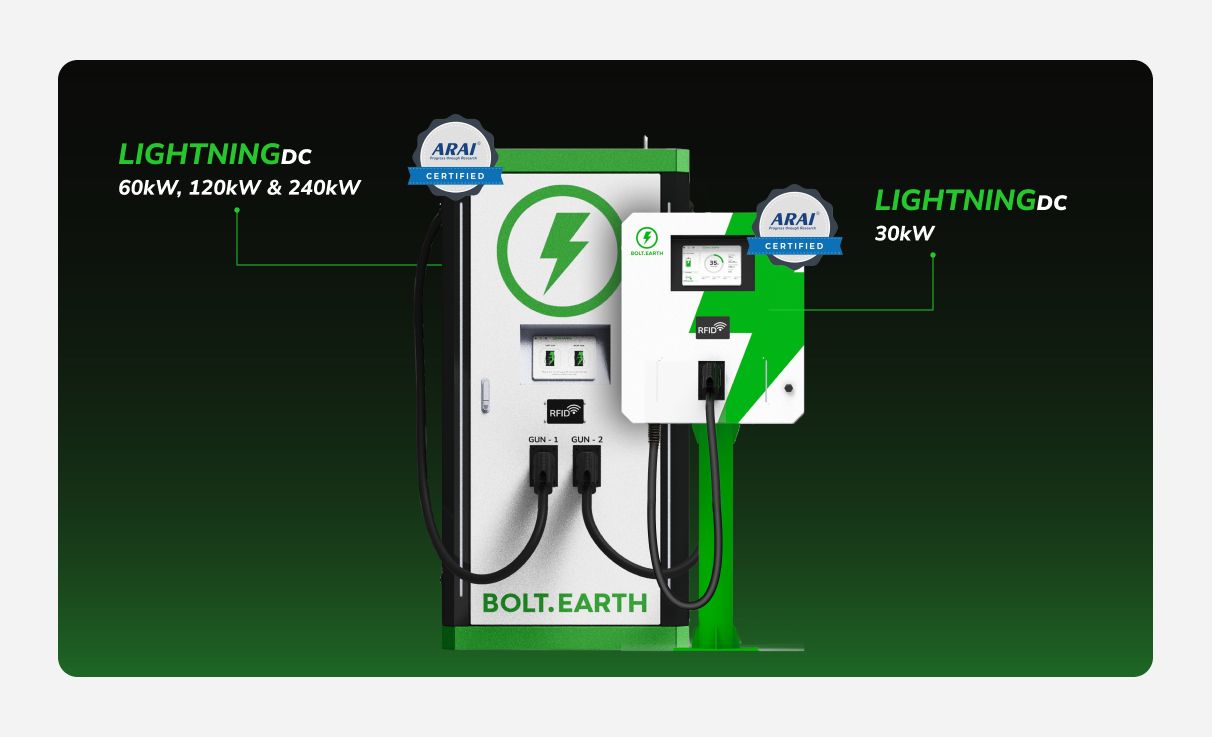
    • 30–60 kW: Popular for commercial destinations. A 60 kW charger can deliver approximately. 80% charge in under an hour. A 30 kW unit is slower, but still much faster than AC. These strike a good cost-benefit balance for many businesses. Equipment typically costs ₹7–12 lakh and requires a 3-phase 415V supply. Most hotels, malls, and offices can support one or two units without grid strain.
    • 90 kW and above: High-power chargers (often 90, 120, 150 kW, up to 360 kW) are suited for highway corridors, EV charging hubs, or fleet depots. They’re expensive (often double or more the cost of a 60 kW unit) and require special grid connections. Few Indian EVs currently support >60 kW, but installing one can be a future-proofing move. Consider only if your location expects high EV traffic or you want to brand as an ultra-fast destination.

    Tip: Align the charger power with visitor duration. For approx. 1-hour visits (e.g., mall shoppers), a 60 kW unit is ideal. For 8-hour stays (e.g., office employees, hotel overnight guests), lower-power DC or AC might suffice. Many DC chargers are “modular”; some allow two cars to share power or can be upgraded later.

    Segment-Specific Considerations: Hotels vs. Malls vs. Offices

    Person_using charger (2).jpg
    Let’s briefly understand special considerations for each type of location, beyond the general points discussed above:

    Hotels and Resorts

    Hospitality spaces cater to two types of guests: overnight guests and short-term visitors.

    • Urban hotels: Chargers act more as amenities and can influence booking decisions.
    • Highway or destination properties: A (30–60 kW) DC fast charger is valuable for travelers needing quick top-ups.

    Recommendation: Install at least one DC fast charger and one AC unit. Offer complimentary charging (cost can be absorbed in room rates), integrate it into valet or concierge services, and partner with an EV network for visibility and maintenance.

    Shopping Malls and Retail Centers

    Malls benefit from high footfall and long dwell times, especially on weekends and holidays.

    Recommendation: Install at least two chargers, such as a dual-gun 60 kW DC fast charger. Clearly mark charging bays, implement alerts (via app or parking staff) when charging is complete, and dedicate 5–10% of parking to EVs. Promote your “EV charging at shopping mall” facility in marketing and ensure safety with cable management and CCTV.

    Offices and Corporate Campuses

    Employees typically park for 8–9 hours, making slower AC charging practical and cost-effective.

    Recommendation: Install several 7 kW AC chargers for employees and one 60 kW DC fast charger for fleet or visitor use. Provide access via internal apps or RFID, encourage midday rotation, and integrate charging into ESG or green-building initiatives. Consider solar rooftops or parking canopies for sustainable power.

    No matter the segment, a common theme emerges: integrate the EV charging experience into your customer or employee journey. Make it easy, visible, and reliable. A hotel could mention EV charger availability during booking and have staff ensure the car is charged overnight. A mall could display “EV Charging Available” at the entrance. An office could include EV charging guidelines in the employee handbook. These touches ensure the infrastructure actually gets utilized to its full potential.

    Blog Banner

  • What is Smart Parking? The Rise of EV Charging & IoT in Real Estate

    What is Smart Parking? The Rise of EV Charging & IoT in Real Estate

    India’s cities are facing a parking crunch. Smart parking has emerged as a tech-driven solution to this urban dilemma, leveraging Internet of Things (IoT) sensors and connectivity to make parking spaces more efficient. At the same time, the rise of electric vehicles (EVs) is transforming real estate, from residential complexes to commercial buildings, by increasing demand for charging infrastructure.

    This blog dives into the facts, data, and trends shaping the future of parking and mobility. Specifically, it answers three key questions:

    • What exactly is smart parking, and why is it essential in modern cities?
    • How is EV charging transforming parking in real estate projects?
    • What role does IoT play in enabling smarter, data-driven real estate and urban planning in India?

    What Exactly Is Smart Parking, and Why Is It Essential in Modern Cities?

    Imge_1.jpg

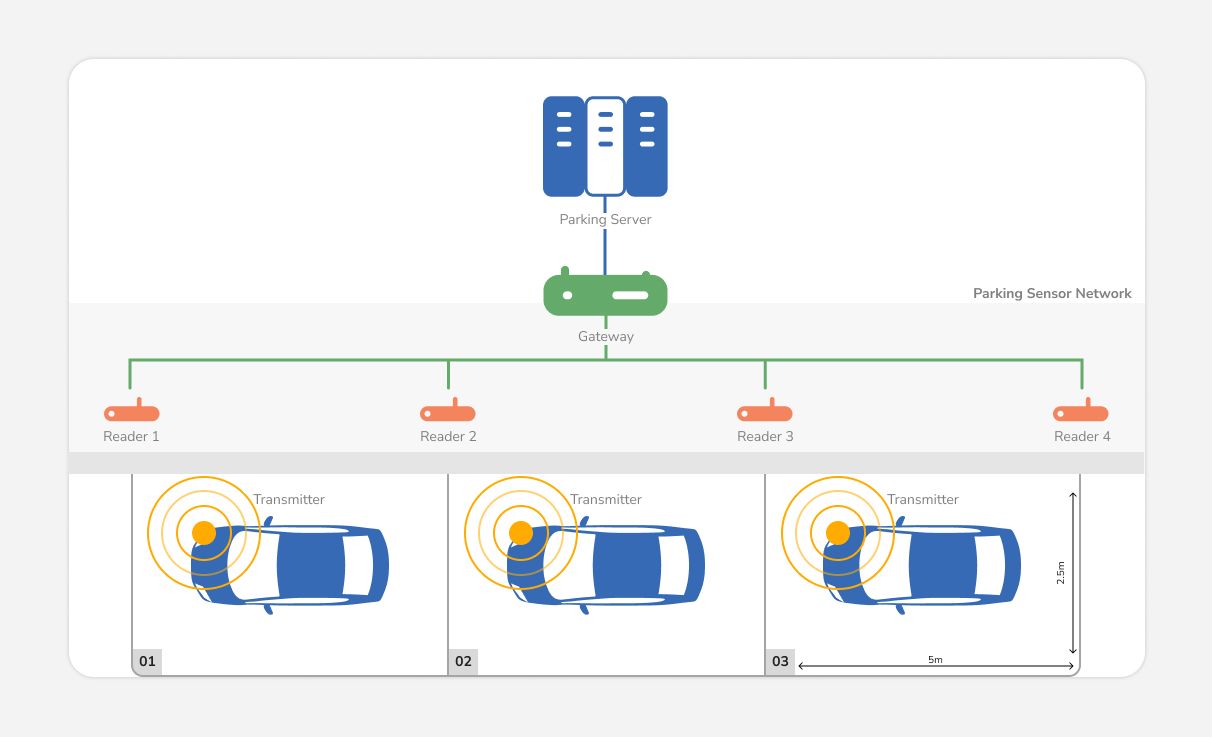
    Smart parking refers to parking systems that use sensors, cameras, and connectivity (IoT) to monitor parking space occupancy in real time and guide drivers to available spots. Drivers can check a mobile app or street display to see which spots are free or even get turn-by-turn directions to the open space in complex garages. This real-time occupancy data reduces the search time for users and reduces frustration.

    Key technologies enabling smart parking include:

    • IoT Sensors and Cameras: Ultrasonic or magnetic sensors and AI-enabled cameras detect occupancy and transmit data wirelessly.
    • Cloud Platforms: The sensor data is transmitted to cloud-based parking management platforms. This allows aggregating data across a city or building and applying analytics, which is increasingly relevant for EV charging for buildings and smart infrastructure.
    • Automated Payments: Contactless payment systems, often integrated with FASTag (the RFID toll payment sticker) to enable drive-in/drive-out payments without manual tolling. This reduces queues at exits and eliminates cash leakage. It also enables dynamic pricing models (varying rates by demand or duration) to encourage turnover and optimize charging solutions for businesses.
    • Analytics and Management Software: IoT-based parking solutions generate a wealth of data, including peak usage times and average park durations. City authorities or private operators can use this data to optimize parking policies, adjust pricing, and plan future capacity. Over time, such data-driven management leads to better land use.

    In essence, smart parking brings the power of IoT and data to an age-old urban problem. It reduces search time and enhances user experience while improving operational efficiency. It’s a win-win: drivers save time and fuel, and owners maximize utilization. This has tangible environmental benefits too; shorter parking searches mean fewer cars idling and circling, which in turn cuts fuel consumption and tailpipe emissions.

    Notably, smart parking often overlaps with smart building and smart city initiatives. For instance, India’s Smart Cities Mission has funded projects for sensor-based smart parking in multiple cities, integrating them with central command centers to better manage traffic flows and support EV charging for buildings.
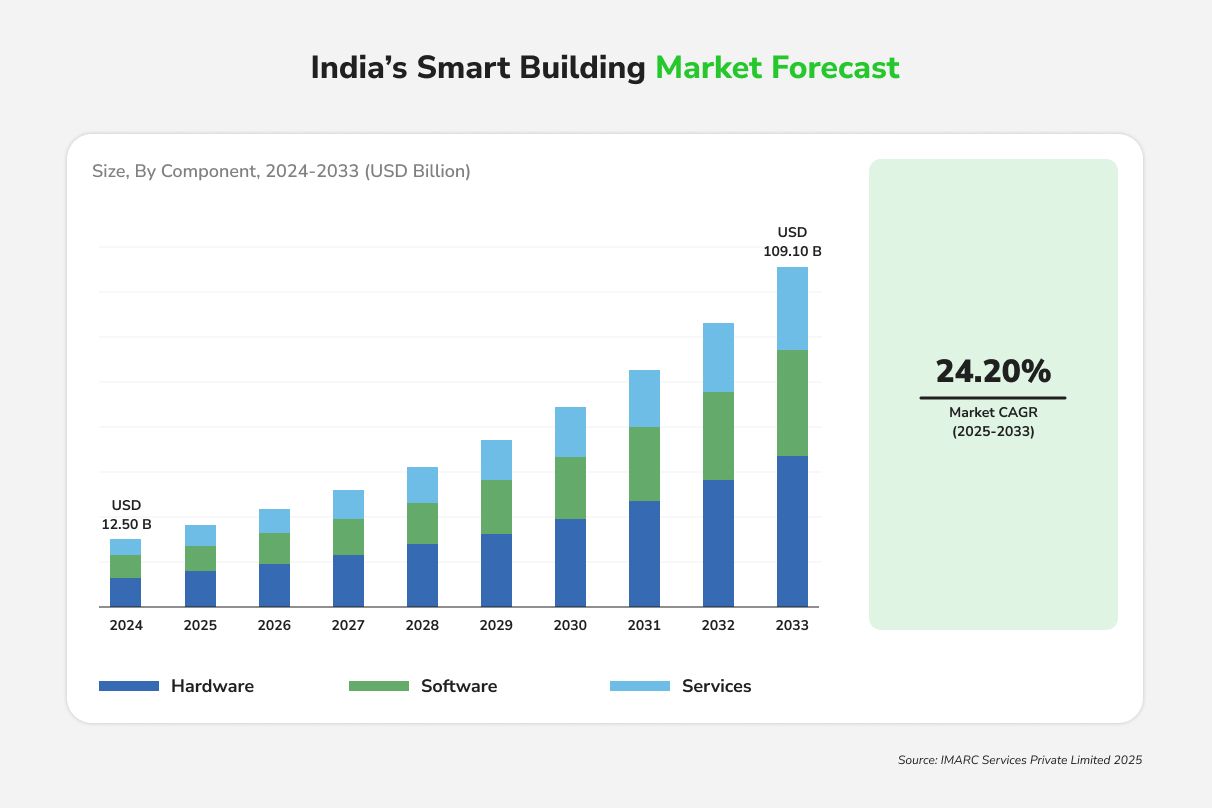
    India’s Smart Building Market Forecast.jpg

    The broader smart building market in India, including parking, was about USD 12.5 billion in 2024 and is projected to reach USD 109 billion by 2033.

    Why Smart Parking Matters in Urban India

    Urbanization and vehicle growth have led to severe parking shortages and traffic congestion. India alone has over 300 million vehicles on the road, and as cities grow vertically, traditional parking methods are becoming obsolete. Studies show that up to 30% of city traffic is caused by drivers searching for parking. This not only wastes time and fuel but also contributes significantly to pollution and economic loss. In fact, urban India loses an estimated ₹1.5 lakh crore (₹150 trillion) annually to traffic congestion, with parking-related issues accounting for nearly a third.

    Smart parking can reduce the time spent searching for parking by up to 50% and triple garage capacity through automation. Globally, the smart parking market is projected to grow from USD 5.7 billion in 2024 to USD 14.1 billion by 2033 (about 10.5% CAGR).

    Automating parking operations (through sensors, cameras, and digital payments) cuts labor costs and boosts revenue per space by optimizing utilization. Real-time data from IoT sensors provides accurate availability info, minimizing idle empty spots and helping operators adjust pricing based on demand, a model increasingly adopted in EV charging solutions for businesses. In short, smart parking promises more parking capacity with fewer resources and less chaos.

    How EV Charging Is Transforming Parking In Real Estate Projects?

    The explosion of electric vehicles globally is another major factor driving the evolution of parking infrastructure. Electric cars need charging points – and unlike a gas station that you visit only occasionally, EV owners often charge where they park (at home, work, or shopping centers). This convergence of parking and charging has huge implications for real estate developers and city planners.

    Global Sales of Electric Cars by Type (Units) (2010-2023).jpg

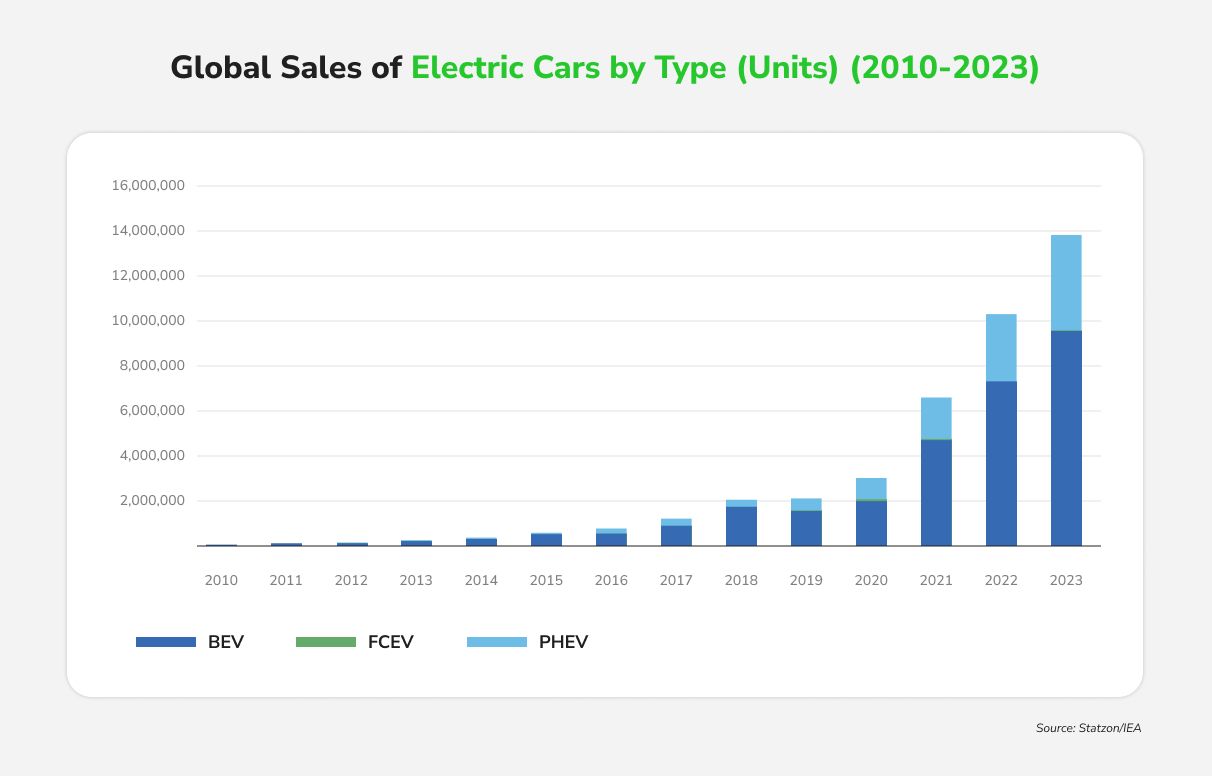
    The convergence of parking and charging is reshaping real estate. Unlike gas stations, EV owners typically charge where they park (at home, work, or shopping centers). This shift demands that parking infrastructure evolve into charging infrastructure, making it a central concern for developers and city planners focused on planning EV charging for real estate.

    In 2023, global EV sales neared 14 million, a 35% jump from 2022, bringing the global fleet to 40 million vehicles. India saw 80,000 electric cars sold in 2023, a 70% year-on-year increase. While EV penetration is still modest, the government’s 2030 targets are ambitious: 30% of private cars, 70% of commercial vehicles, 40% of buses, and 80% of two- and three-wheelers. If realized, that’s 80 million EVs on Indian roads—each needing a place to park and charge.

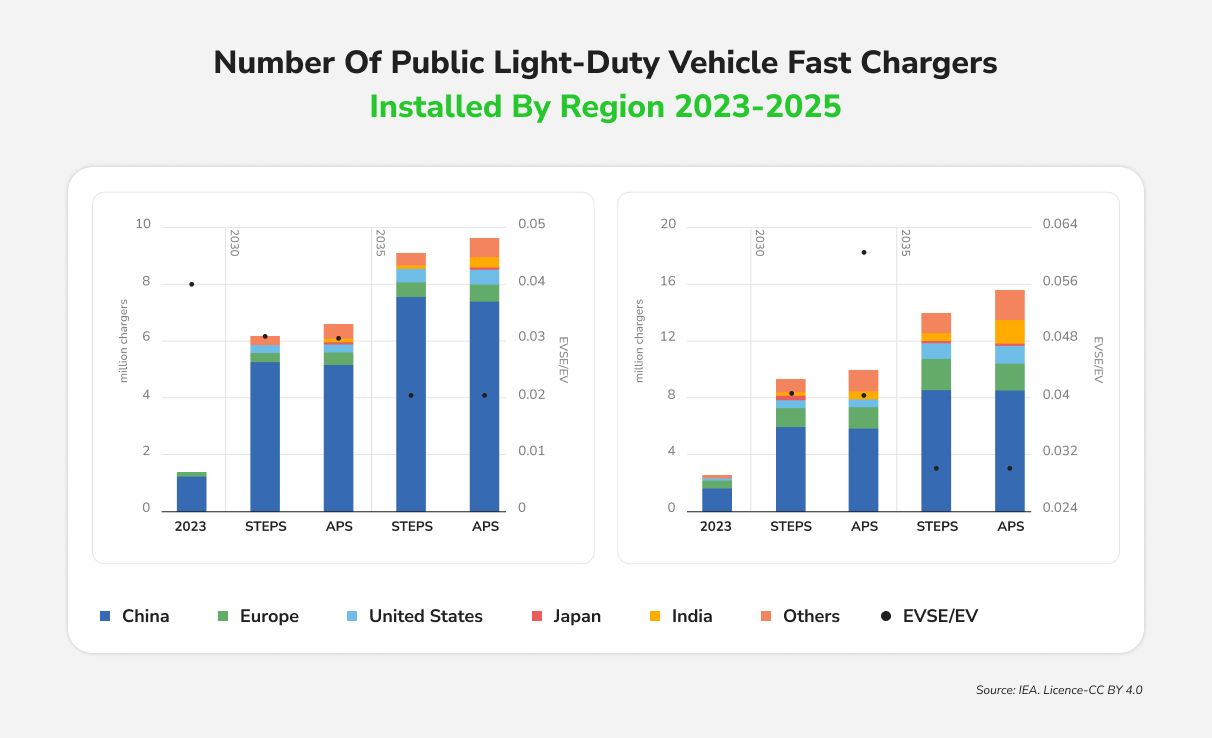
    Such growth will require an extensive EV charging network, and much of that charging infrastructure will be in parking areas. Globally, the number of public EV chargers is projected to grow fourfold from approx. 4 million in 2023 to over 15 million by 2030. A joint report by FICCI and McKinsey estimates that ₹16,000 crore (approx. $2 billion) in investments will be needed by 2030 to meet the country’s EV charging demand. These chargers are being installed in a variety of real estate contexts, from highway rest stops and shopping mall parking lots to office campuses and apartment basements.

    For real estate developers, providing EV-friendly parking is quickly shifting from a niche amenity to a mainstream requirement. Recognizing this, the Indian government and regulators have issued new guidelines:

    • Many municipal authorities are updating parking policies to include EV charging. For example, Delhi’s draft parking rules provide discounted fees for EVs in public parking lots, and cities like Bengaluru and Mumbai are exploring “EV-only” parking zones in crowded areas to encourage cleaner vehicles (as part of pollution control strategies).

    The integration of EV charging with smart parking systems is a natural next step. Since smart parking apps already manage parking spot availability, adding the status of charging stations to these platforms makes life easier for EV owners. We are seeing features like real-time EV charging slot booking through parking apps, so drivers can reserve a space that has a charger ahead of time. Additionally, advanced parking management systems now incorporate dynamic pricing for EV charging, for instance, higher rates during peak hours or incentives for vacating a charging spot once the car is topped up. This prevents charger hogging and optimizes the usage of each unit.

    Another interesting trend is the move towards sustainable parking infrastructure for EVs. Some parking lots are installing solar-powered EV charging stations (solar canopies over parking stalls with integrated chargers), reducing the draw on the grid and aligning with green building goals. This is particularly relevant in sunny parts of India; a few metro cities have piloted solar parking lots that generate renewable energy for on-site charging.

    What Role Does IoT Play in Enabling Smarter, Data-Driven Real Estate and Urban Planning in India?

    India’s Smart Parking Systems Market.jpg

    From the perspective of real estate owners and urban planners, the confluence of IoT and EVs in parking brings several tangible benefits:

    • Enhanced User Experience and Convenience: Imagine entering a mall parking garage and your smartphone (or car’s navigation) immediately directs you to an open spot equipped with an EV charger. No circling ramps, no anxiety about whether you’ll find a plug. This level of convenience, enabled by IoT sensors and connectivity, greatly improves the visitor experience. It also builds customer loyalty; frustration-free parking can be a selling point for a shopping center or office building. Moreover, features like contactless payments and app-based reservations mean drivers can seamlessly park and pay without fumbling for cash or tokens.
    • Higher Property Value and Revenue Streams: Incorporating smart parking and EV charging can make a property more attractive. A commercial building with an IoT-driven parking system can advertise higher efficiency and guaranteed spots for tenants. On the revenue side, property managers can earn income from EV charging fees and better utilize every parking stall via dynamic pricing. A smart parking system can increase overall parking revenue by adjusting rates based on demand and preventing misuse or fraud. Essentially, technology turns parking from a cost center into a smarter profit center.
    • Better Security and Compliance: IoT in parking can bolster security through surveillance and access control. License plate recognition cameras can automatically log entries/exits and flag unauthorized vehicles. Sensors can detect if someone is parking in an EV-designated spot without an EV and alert authorities or apply fines. These measures protect resident parking in mixed-use developments and ensure that the infrastructure (like EV chargers) is used fairly. Additionally, having digital records of parking usage helps enforce time limits and prevents issues like parking ticket fraud or revenue leakage, which were common in fully manual systems. As EV charging for buildings becomes standard, these compliance tools will be essential to ensure fair access and proper usage.
    • Data-Driven Urban Planning: Over the long term, the data collected by smart parking systems is incredibly valuable for city planners and developers. Patterns of parking occupancy by time of day, by location, and even by vehicle type can inform how future garages are designed. Planners can identify underutilized lots that could be repurposed or pinpoint areas where demand far outstrips supply to justify building new multi-level parking. This data can feed into broader models of transportation and land use, helping answer questions like whether adding a metro station or bus route near a busy parking area reduces car usage. In essence, smart parking turns the parking lot into a source of insights for smarter urban development.

    India’s Trajectory vs. Global Trends

    India’s Smart Parking Systems Market Forecast.jpg
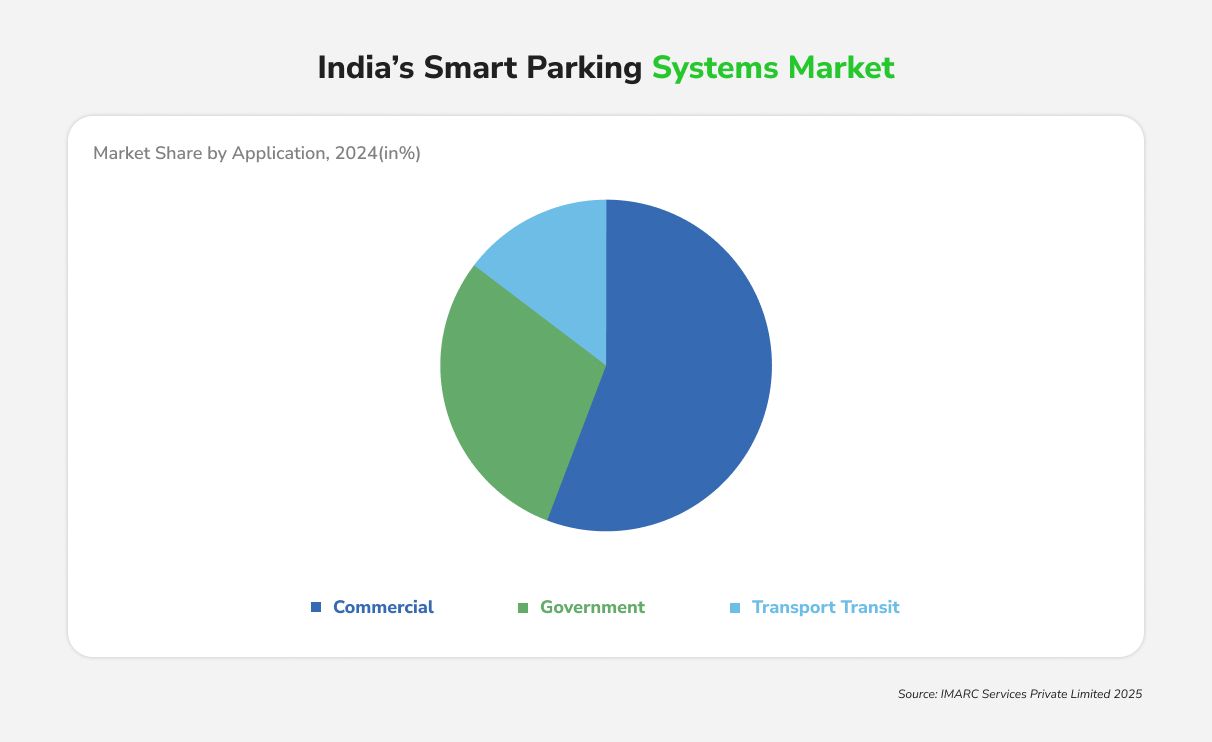
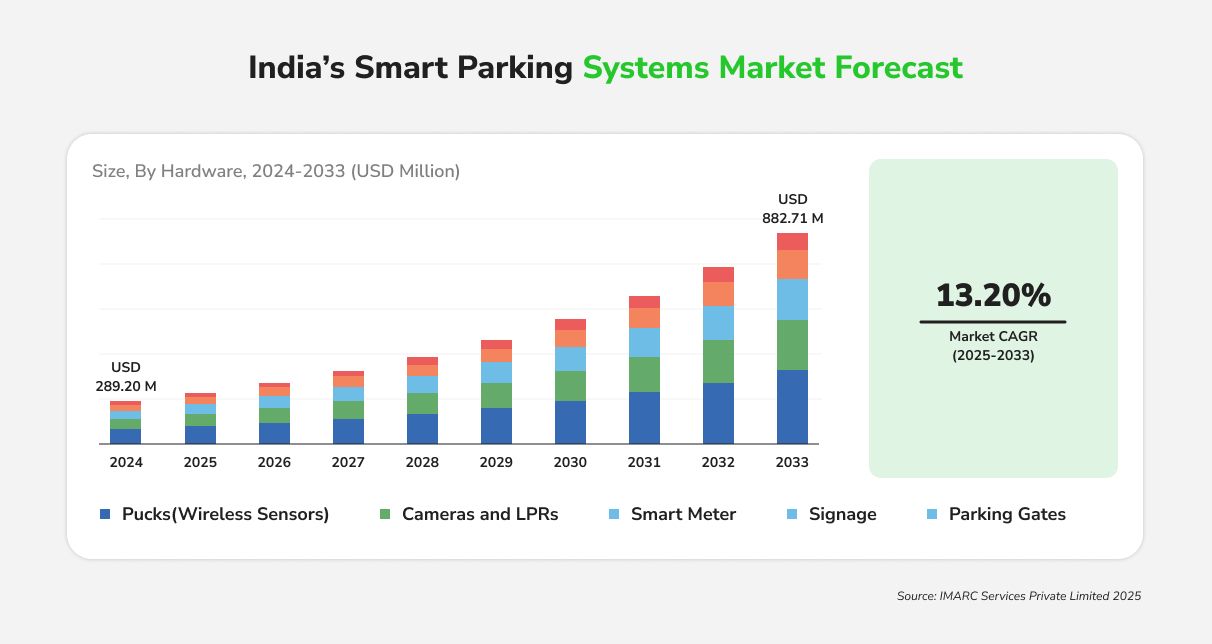
    India’s smart parking market was valued at USD 289 million in 2024 and is projected to reach USD 883 million by 2033. Government initiatives like the Smart Cities Mission have catalyzed adoption with cities like Puri (Odisha) and Davanagere (Karnataka) deploying advanced systems featuring IoT sensors, license plate recognition, and FASTag integration.

    India particularly stands out for the emphasis on two-wheelers and three-wheelers in the EV revolution. Unlike Western countries, a huge share of India’s urban commuters use scooters, bikes, and auto-rickshaws. Consequently, “smart parking” in India must cater to these vehicles as well, providing secure, organized parking and charging for electric two-wheelers. Cities are exploring dedicated two-wheeler smart parking zones with e-charging stations (for e-bikes) and anti-theft IoT locks. This broadens the definition of smart parking beyond just car garages.

    ajkgf.jpg

    Globally, countries are innovating with app-based parking payments and dynamic pricing to discourage long stays in prime spots. For example, San Francisco’s early smart parking project (SFpark) used demand-based pricing and sensors to reduce parking search time and was cited as a model for congestion reduction. China leads in public EV charging, while Europe and the US are exploring “mobility hubs” that integrate parking, charging, and shared transport.

    Future Outlook

    Looking ahead, the intersection of smart parking, EV charging, and real estate will only grow tighter. By 2030, India’s cities could be vastly different in terms of mobility. If EV adoption reaches the intended targets, tens of millions of EVs will need convenient charging.

    Most charging (up to 80%) is expected to happen at home or work, which means buildings must become the new fuel stations. We can expect every new apartment complex, office tower, and mall in India to incorporate networked EV chargers in their parking layout. In fact, only about 55% of Indian car owners today have access to home charging, so expanding to workplace and public charging is crucial. Real estate developers who provide abundant charging infrastructure stand to attract this growing EV owner demographic.

    On the technology front, IoT and AI will make parking even smarter. We might see AI-driven predictive parking, where algorithms predict parking availability at your destination by learning from historical data and current traffic and proactively reserve a spot for you. Some global cities are already testing systems that guide drivers not just to a parking lot but to a specific floor and slot based on the size of their vehicle, all optimized in real time. Autonomous vehicles could further disrupt parking; if self-driving cars become common in later decades, they might drop passengers off and then park themselves in ultra-dense robotic parking facilities. While that scenario is still on the horizon, it underscores the need to design parking infrastructure that’s adaptable.

    From a sustainability perspective, integrating renewable energy and energy management into parking will gain traction. Parking garages with solar rooftops, battery storage, and smart charging management can help balance the grid load of EVs. During the daytime, solar panels could directly power EVs in the lot; at night, the charging systems might communicate with the grid to draw power during off-peak hours. The IoT connectivity in these systems will be essential to manage such complexity, ensuring that as vehicles, buildings, and the grid all talk to each other, the outcome is optimal for everyone.

    In conclusion, smart parking represents a confluence of multiple innovation streams, urban digitalization (IoT, data analytics), the clean mobility transition (EVs), and next-gen real estate development.

    India, with its massive urban challenges and tech-savvy population, is fertile ground for these solutions. We are already seeing the early benefits: reduced congestion, better user experience, and new business models around parking. As the data and case studies build up, stakeholders from government bodies to private developers are gaining confidence in scaling up smart parking projects.

    The rise of EVs makes the case even stronger. A parking spot is no longer just a patch of concrete; it is a potential energy node where vehicles plug in and cities manage electricity demand. This will require continued collaboration between automakers, utilities, urban planners, and tech providers. The road ahead might be long, but one thing is clear: the future of parking in India and across the world is smart, connected, and electric. Embracing smart parking and IoT in real estate today is a step toward cities that are both more livable and more sustainable tomorrow.

    Blog Banner

  • 5-Point Guide to Earning Revenue With EV Charging

    5-Point Guide to Earning Revenue With EV Charging

    India is in the midst of an electric vehicle revolution, and with it comes a gold rush for accessible, reliable EV charging infrastructure.
    Annual EV sales in India, FY 2015.jpg

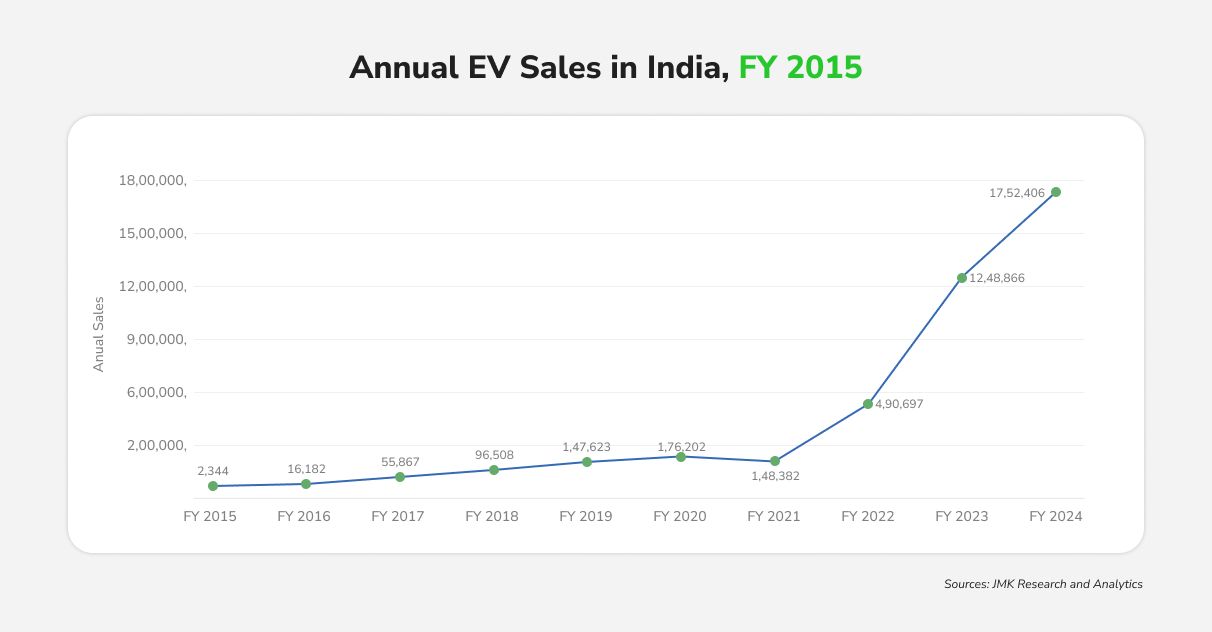
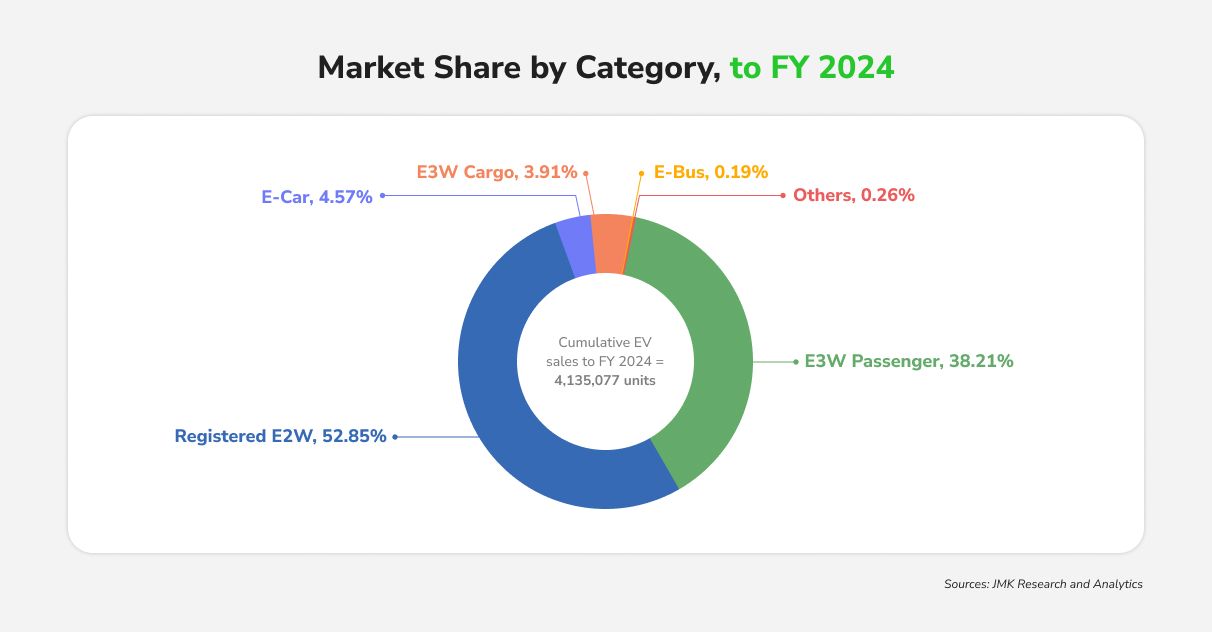
    Over 5.91 million EVs are already on Indian roads as of April 2025, with electric two-wheelers accounting for approx. 59% of sales. Yet charging stations remain relatively scarce roughly 26,000 public chargers serving those millions of EVs, about 1 charger per 235 EVs. By comparison, China has about 1 per 7 vehicles.

    Annual EV sales in India, FY 2016 (1).jpg

    A Confederation of Indian Industry report estimates India will need around 1.32 million charging stations by 2030 to support the expected EV growth. Analysts project India’s EV market could generate over $100 billion in revenue by 2030, and robust charging infrastructure is key to unlocking this opportunity.

    For entrepreneurs and businesses, this gap between EV adoption and charging infrastructure is an invitation. But how to make money with EV charging isn’t as simple as installing a charger and waiting for EV owners to show up. Much like petrol station owners learned to diversify beyond selling fuel, EV charging entrepreneurs must employ smart strategies to maximize revenue.

    In this 5-point guide, we’ll explore how you can earn revenue with EV charging in India, from choosing the right location and pricing model to offering value-added services and leveraging government incentives.

    1. Strategic Location and High Utilization Are Key

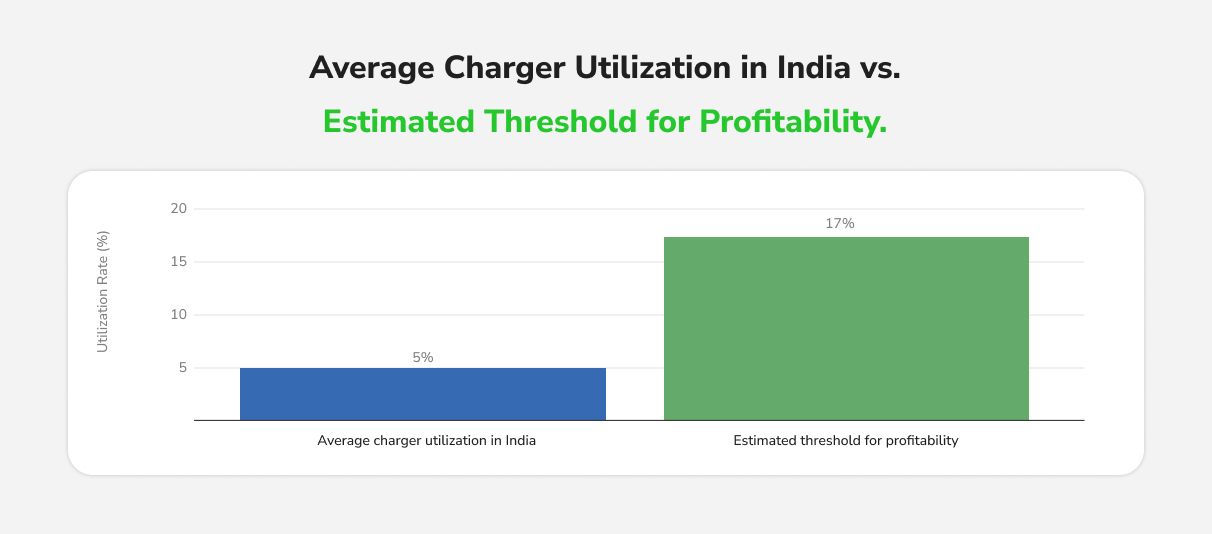
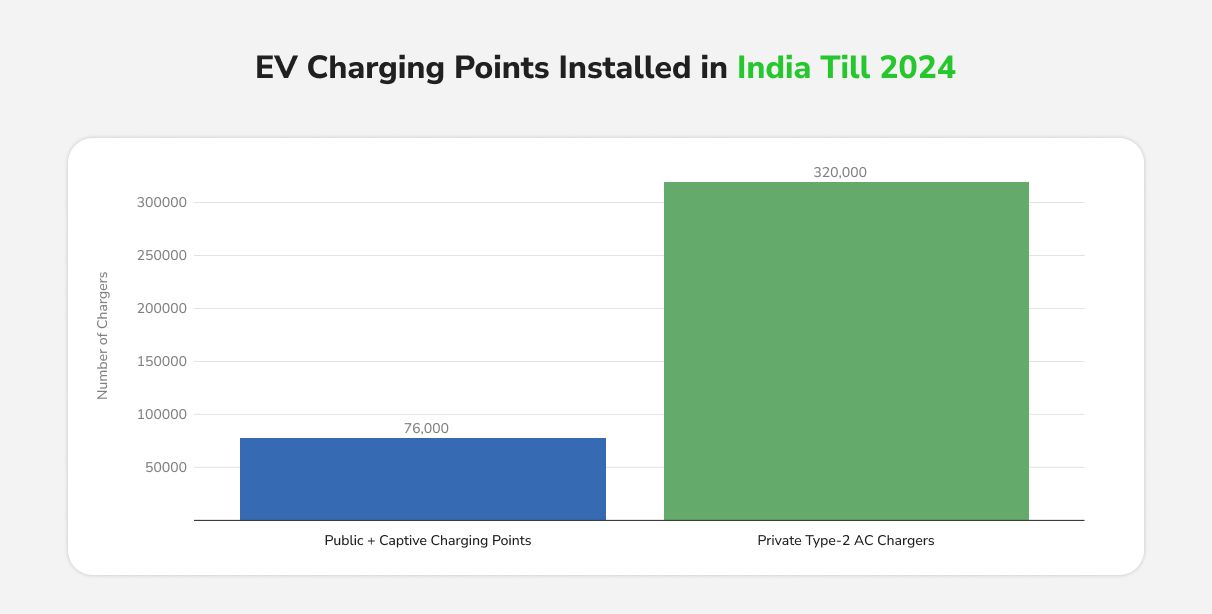
    Just as in real estate, location is the mantra for EV charging stations. A charger’s earning potential is tied to how often it’s used, i.e., its utilization rate. Many charging stations in India today suffer from low utilization, often only approx. 5%, meaning they’re used just a few hours a day.

    EV Charging Points Installed in India Till 2024.jpg

    At 5% utilization, a charger sits idle 95% of the time, a recipe for delayed returns. The lesson? Place your chargers where the demand is. High footfall areas bring steady traffic, increasing your revenue potential. A station on a busy highway or in a popular mall is akin to a shop in a crowded bazaar.

    Think about where EV owners spend time. Ideal spots include shopping centers, office complexes, parking lots in dense residential areas, highway rest stops, and petrol pumps adding EV charging. Situating chargers at supermarkets or cinemas means drivers can top up while they shop or catch a movie, turning waiting time into useful time.

    Location also impacts costs and partnerships. If procuring real estate is a challenge, consider creative partnerships. In dense urban neighborhoods, collaborate with local shops or housing complexes. A great example is tying up with small neighborhood stores (kirana shops) for installing charging points. Under a revenue-sharing model, the shop provides space and oversight, while you provide the charger; both parties then share the revenue. This can be a win-win: you secure a prime location with built-in community trust, and the shop benefits from additional foot traffic. The Indian government’s think tanks have even recommended such models, e.g., DISCOMs (electric utilities) partnering with kirana stores in crowded areas to host two-wheeler/three-wheeler chargers.

    Moreover, scale matters. A lone charger might struggle, but a cluster or a network effect can draw more EV users. Many major players are rapidly expanding networks in strategic locations. The goal is to place chargers where EVs are concentrated: urban centers like Bengaluru, Delhi, and Mumbai and along key travel corridors. States like Karnataka and Maharashtra lead in charging point count, reflecting higher EV adoption.

    Finally, uptime and reliability are part of “utilization.” Choose locations with a stable electricity supply (or invest in a good backup). Nothing chases away repeat customers like a charger that’s often “Out of Order”. Treat your charging station like a retail business: a great location, easy accessibility, and reliability will drive higher usage, directly boosting revenue.

    2. Optimize Pricing and Charging Fees

    The most straightforward revenue stream for an EV charging operator is the charging fee, selling electricity as a service. But setting the right pricing strategy can make or break your business. Price too high, and drivers will detour to a competitor; price too low, and you might not cover costs. The key is to optimize pricing and find the sweet spot that attracts customers while ensuring a healthy margin.

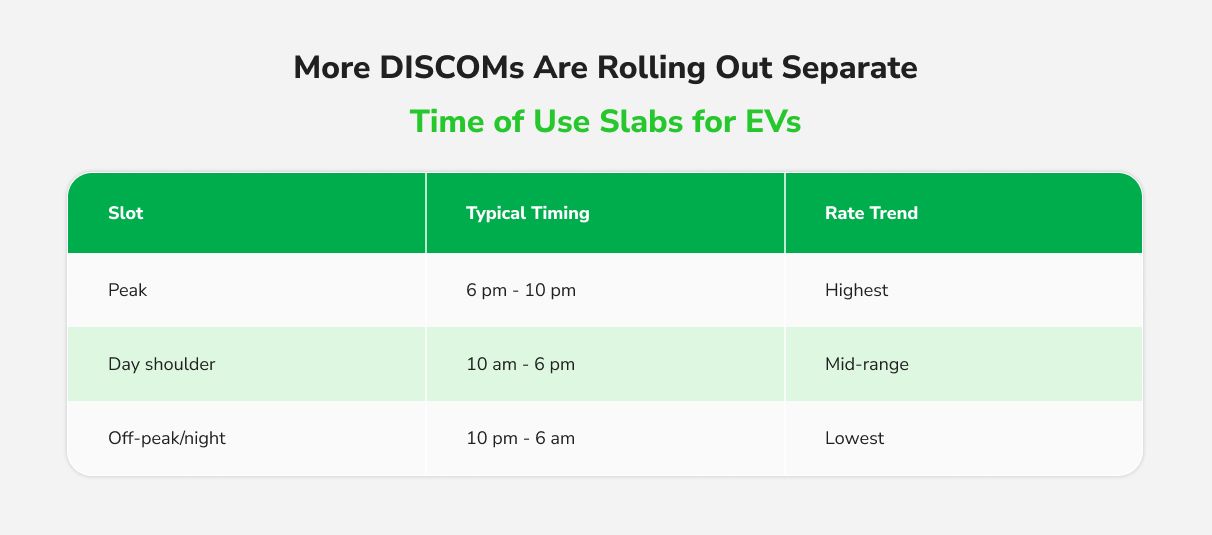
    More DISCOMs are rolling out separate TOU slabs for EVs. Typically_.jpg

    In India, public EV charging rates typically range around ₹10–14 per kWh for AC chargers (slow/medium speed) and ₹18–22 per kWh for DC fast chargers. These prices are significantly higher than residential electricity rates (often 2–3× the home charging cost), effectively a “convenience premium”. Many are willing to pay more for the convenience of a fast charge. After all, using a 60 kW fast charger might refill a battery in 40 minutes versus 8 hours at home.

    One smart approach is dynamic pricing, or time-of-use pricing. You can vary charging tariffs based on demand and time of day. Charging during off-peak night hours (e.g., 10pm–6am) might cost 30–50% less than peak hours. Encourage EV charging for fleets or drivers to charge overnight or midday by offering discounted rates, and apply slightly higher rates during the evening peak. This boosts utilization in off-peak times but reduces grid strain.

    Transparency and fairness in pricing are crucial. EV drivers are highly cost-conscious (a difference of ₹1 per kWh adds up over a full battery). Ensure your fee structure is clear, whether you charge per kWh, per minute, or a combination. In India, most public chargers charge per kWh consumed, which is generally seen as fair. You might also consider session fees (a flat start fee) or tiered pricing (the first 15 minutes at one rate and then a different rate) to encourage efficient use.

    Policy trends are nudging prices downward: the central government has recommended guideline tariffs as low as ₹4/kWh for slow charging and ₹7/kWh for fast charging (far below what many operators charge today). While not enforced uniformly, this signals a push to keep EV charging affordable. Also, electricity is often the biggest operational cost. Tapping into special EV tariff plans or sourcing renewable energy can lower your input cost, allowing you to maintain margin even at competitive prices.

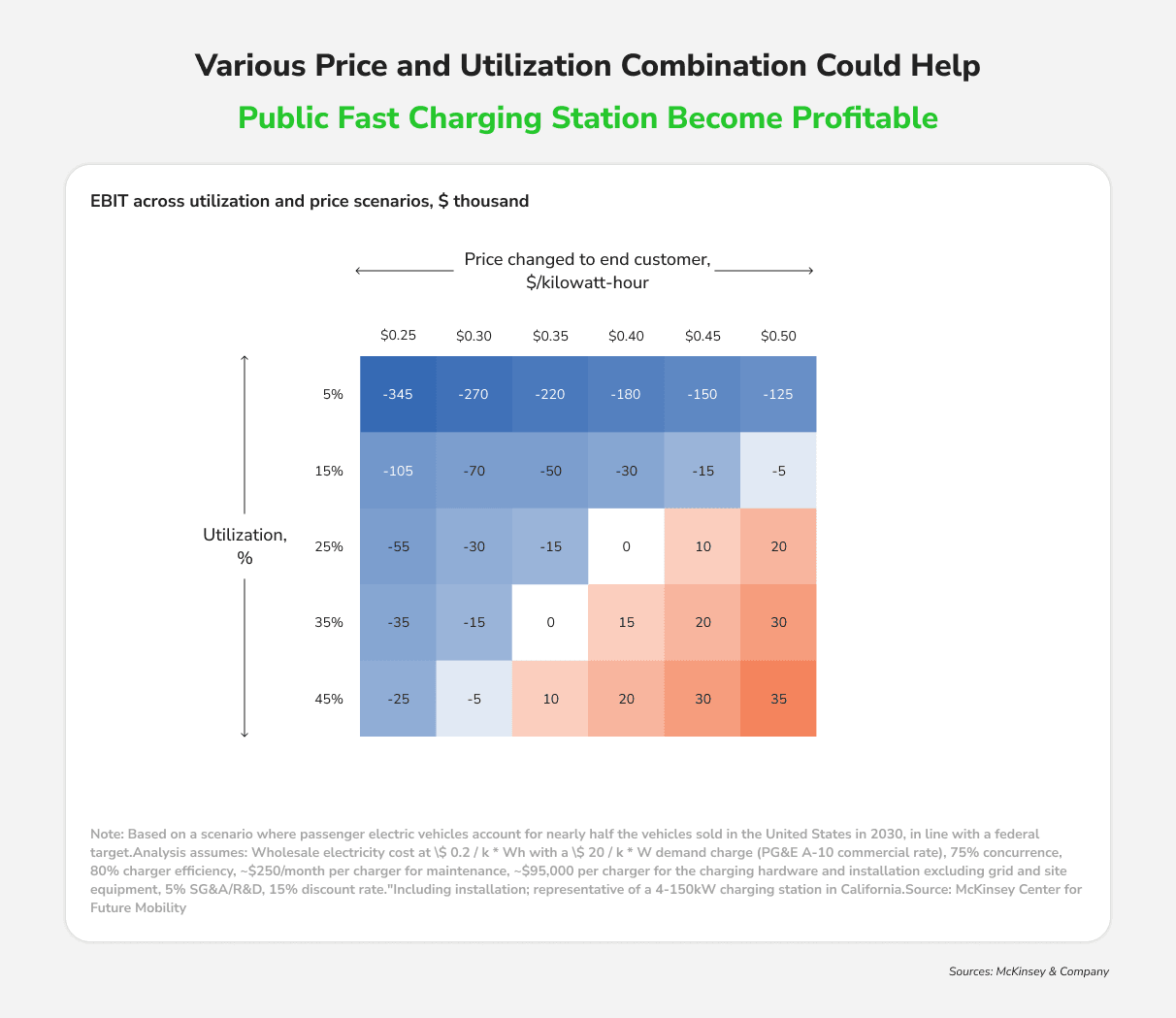
    To illustrate why smart pricing matters, consider an analysis by McKinsey in the US, which showed that public fast-charging stations face challenging economics because utilization is still ramping up. They found that at around 15% utilization (about 7 fast-charge sessions a day), a typical station barely breaks even on operating costs at current prices. The only way to improve this is to increase utilization and optimize pricing, exactly what we’ve discussed.
    utilization.png

    In India’s context, where utilization might be even lower initially, you simply must get more EVs in and charge what the market can bear.

    Bottom line: treat pricing as a strategic tool. Monitor what others charge, stay updated on tariffs, and be ready to adjust. When pricing is done right, you’ll maximize revenue per unit and keep the chargers busy.

    3. Offer Subscriptions and Loyalty Plans for Steady Income

    Would you rather have a customer who uses your charger once in a blue moon or one who uses it regularly? The latter is obviously better for stable revenue. That’s where subscriptions and membership programs come in, a growing trend that can lock in customer loyalty and provide predictable income.

    Many EV charging networks worldwide and in India are introducing subscription plans. For a monthly fee, a member could get discounted rates, some “free” charging credit, priority access to chargers, or the ability to reserve a slot during busy hours. For high-mileage users like fleet drivers or daily commuters, this offers convenience and savings. For the operator, it means predictable revenue and a higher likelihood of repeat usage. As one industry source puts it, offering subscription packages provides predictable revenue streams; customers enjoy cost savings and convenience, while operators enjoy steady income.

    For an EV charging station business, loyalty pays off in multiple ways. Subscriptions can also be tiered (e.g., Silver, Gold, and Platinum plans) for different segments: perhaps a two-wheeler rider might opt for a lower-cost plan, whereas a taxi fleet might pay for a premium plan.

    Don’t forget B2B and fleet partnerships. Strike deals with corporate fleets, cab aggregators, e-commerce delivery companies, or housing societies. If you sign an agreement with an electric taxi company, they might pay you a fixed monthly fee or guarantee a minimum number of charging sessions. This is huge in India, where commercial EV fleets (electric rickshaws, ride-share cabs, delivery vans, etc.) are growing fast. McKinsey has noted that globally, services to support EV charging for fleets are an emerging revenue pool, estimated to be $15 billion annually by 2030 in the US. The same trend will come to India. Fleet operators would rather outsource charging infrastructure. By providing tailored plans, you secure a consistent customer base that keeps your chargers busy day in and day out.

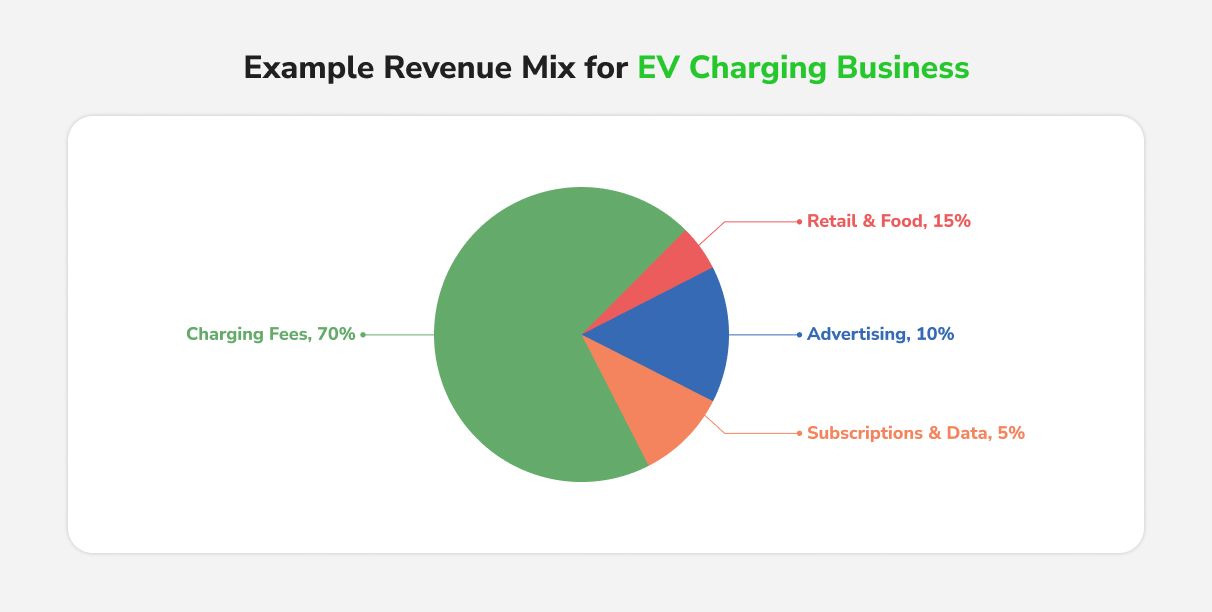
    4. Diversify Revenue Streams: Beyond Just Electricity

    Charging fees is the core of your business but shouldn’t be the only revenue source. Smart entrepreneurs are turning their stations into multi-faceted hubs. Think of how petrol pumps evolved over the years. They added convenience stores, coffee shops, ATMs, car washes, and even QSR franchises – because selling snacks or offering services can be far more profitable than fuel alone. An EV charging station can be more than a plug; it can be an experience.

    Annual EV sales in India, FY 2018.jpg

    Here are some lucrative side hustles for your EV charging station business opportunities:

    • On-site Retail and Food: A fast charger means 20-40 minutes of dwell time. If you have space, set up a small café or tie up with a food truck. Even a vending machine or a tie-in can entice customers. Remember, at gas stations “snacks, drinks, and everyday essentials have much higher profit margins than fuel”. Make your charging stop a pleasant place to take a break. Some highway charging plazas in India are already doing this, essentially becoming the new-age “charging dhaba” where both car and driver recharge.
    • Advertising and Sponsorship: If your station is in a high-visibility location, monetize that visibility. Digital screens or a big billboard can host ads. Brands that associate with green mobility want visibility; you could host ads for them. This can create an additional revenue stream at very low incremental cost.
    • Value-Added Vehicle Services: Consider offering services like car wash/detailing, tire check, or minor maintenance at your station. An EV may not need oil changes, but basics like tire pressure top-up or windshield cleaning could be offered. If a driver can get their car cleaned while charging, that’s added value (and you can charge for it). These services can be outsourced; perhaps a car detailing company pays you rent or commission to operate at your site on weekends. It’s another way to utilize the time the vehicle is parked and make the station a one-stop shop.
    • Retailing EV Accessories or Products: With EVs, there’s a whole new ecosystem of products – portable chargers, charging cables, adapters, EV-themed merchandise, and even snacks for the road. A small retail kiosk or an automated locker could sell these to drivers. For example, an EV driver might realize they need a better charging cable lock or an extra adapter for a specific socket; if you sell those on-site, that’s instant extra revenue.
    • Partnering with Host Businesses: Earlier we discussed partnering for location (like kirana shops). Such partnerships can also involve revenue sharing on other services. For example, if your charger is at a supermarket parking lot, arrange discounts for users and share revenue. Co-location with retail can drive foot traffic to both the charging station and the store.

    Providing free Wi-Fi or seating might not directly earn revenue but can increase dwell time and customer satisfaction. Some stations internationally are even considering co-working spaces or playgrounds. While those might be big investments, the core idea is to maximize the earning potential of every minute that a vehicle is at your station.

    One more angle: data and technology. Your chargers generate data on usage data. Aggregated and anonymized, this could be valuable for research or utilities. Down the line, there may be opportunities to monetize insights. Even now, some charging providers might partner with map services or EV manufacturers to share station usage stats in exchange for something (not necessarily direct revenue, but increased visibility).

    5. Leverage Government Incentives and Plan for Future Opportunities

    The Indian government is an active enabler, offering incentives, subsidies, and policy support. Take full advantage of these schemes and position yourself for future trends like renewable energy integration.

    Tap into Subsidies and Grants

    The FAME-II scheme (Faster Adoption and Manufacturing of Electric Vehicles) allocated subsidies for public charging stations. It earmarked ₹1,000 crore toward installing about 7,000 chargers by 2024. In 2024 the government launched PM E-DRIVE with a ₹10,900 crore (~$1.3 billion) outlay, including ₹2,000 crore for public chargers (22,000+ stations by 2026). These funds are being disbursed as capital subsidies or in public-private partnership models to encourage private players like you to set up stations.

    Translation: there’s potentially money on the table to cover a portion of your charger purchase or installation costs. Keep an eye on EV policies from the Ministry of Heavy Industries and state nodal agencies; they often invite proposals for subsidized projects. If you can get, say, 30-50% of your equipment cost reimbursed by a scheme, your path to profitability becomes much quicker.

    In addition to central schemes, state governments have their own incentives. Many states, like Maharashtra, Gujarat, Delhi, Telangana, and Tamil Nadu, to name a few, offer perks such as capital subsidies, electricity tariff concessions, discounted land rent, or tax exemptions for charging infrastructure.

    Tax Benefits and Credits

    The government also provides indirect boosts. Tax benefits include lower GST, only 5% GST vs. 18% on petrol/diesel, depreciation benefits, and carbon credit programs. India is developing a carbon credit market; if you power your station with renewable energy or help offset emissions, you might earn tradable carbon credits or Renewable Energy Certificates (RECs). Major corporations in India are also interested in sponsoring green infrastructure as part of CSR or carbon-offset initiatives, meaning you could find corporate funding or partnerships if you position your charging station as 100% solar-powered, for example.

    Speaking of solar, energy management is the future. As your operation grows, consider integrating renewable energy or battery storage at your charging site. For instance, installing a solar PV canopy above the charging bays not only provides shade but also generates power that can cut your electricity bills. Over a year, solar can significantly offset grid consumption, improving your profit margins (after the payback period of panels). Additionally, if your station has battery storage, you can store cheap off-peak power (or solar power) and use it during peak hours, shaving those nasty demand charges and reducing your draw from the grid when electricity is expensive.

    Another government-driven opportunity: participating in grid services or load management programs. Utilities may offer incentives if you help them manage load, e.g., by curtailing charging during peak demand or providing battery backup to support the grid. In the US, some operators earn via energy credits for using renewable power or by enrolling in demand response programs. In India, similar mechanisms will evolve as EV load grows. Keep an ear out for pilot programs by bodies like SECI or state DISCOMs that seek to integrate charging stations into smart grid projects.

    Final Thoughts

    Earning revenue from EV charging in India is a multifaceted game, one that blends infrastructure, customer-centric services, and policy alignment.

    To recap our journey:

    • Choose your locations wisely and drive utilization through the roof; an idle charger is a money pit, while a busy charger is a cash register that keeps ringing.
    • Get your pricing right. Not just right in terms of covering costs, but strategically right to attract and retain customers. Don’t shy away from innovative pricing models that reward off-peak use or loyal users.
    • Cultivate loyalty and lock in recurring revenue with subscriptions or fleet contracts; this provides stability in a growing yet volatile market.
    • Don’t just sell electricity, sell convenience, sell comfort, sell services, and sell eyeballs (to advertisers)! Diversifying your revenue streams can often be the difference between a barely-breaking-even station and a thriving, profitable enterprise.
    • Lastly, ride the tailwinds provided by government and technology. Take every incentive you can and be ready for the next wave (be it a new subsidy, a new battery tech, or a new way to monetize energy).

    In conclusion, by following this five-point guide and keeping a keen eye on market trends, you can do more than just keep the lights on; you can charge up substantial profits while playing a pivotal role in India’s clean mobility revolution. Your EV charging business can fuel (or shall we say, electrify) not only vehicles but also your entrepreneurial success.

    After all, the vehicles of the future are electric, and they all need a charge. Both you and the nation stand to gain by making that charge as accessible, efficient, and rewarding as possible.

  • Part 2: Scaling Workplace EV Charging in India: Global Case Studies, Business Models, and Investment Opportunities

    Part 2: Scaling Workplace EV Charging in India: Global Case Studies, Business Models, and Investment Opportunities

    A few days ago, we published Part 1: The Future of Workplace EV Charging in India, a deep dive into why workplace charging matters, the current state of deployment, and what the future could look like as EV adoption accelerates, especially as EV charging infrastructure in India continues to grow.

    In part 2, we go a level deeper, focusing on how India can translate that potential into real, scalable outcomes.

      This article answers three questions:

    • What can India as an evolving market learn from other countries about building effective workplace EV charging networks?
    • What EV charging business models and ROI structures are working—and what should Indian enterprises consider?
    • Where do the real investment opportunities lie for businesses, utilities, and infrastructure players?

    Let’s dive in.

    Global Lessons: What India Can Learn from the US, China, Norway, and Germany

    While India’s EV charging journey has its own unique story, there are valuable lessons we can embrace from countries that are ahead in the EV adoption curve, particularly regarding workplace EV charging infrastructure.

    In this blog, we highlight insights from the United States, China, Norway, and Germany, four markets with advanced EV ecosystems, and how India can adapt their best practices.

    United States of America

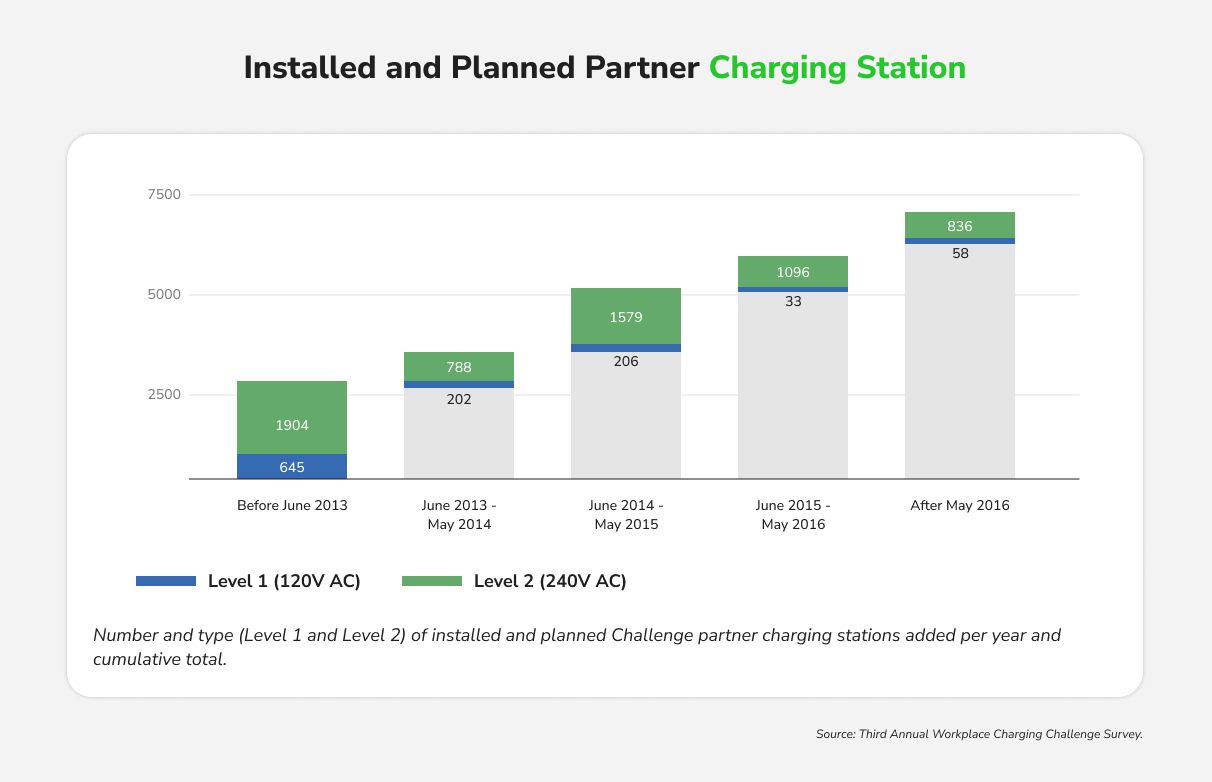
    A key lesson from the US is the role of public-private partnerships and employer initiatives in expanding workplace EV charging. Early on, the US Department of Energy launched the Workplace Charging Challenge (2013–2018), which rallied employers to voluntarily install EV chargers for their staff, significantly raising the profile of at-work charging.

    United States of America.jpg

    Major American companies (tech firms, automakers, and universities) responded by installing charging bays as an employee amenity, normalizing the idea of charging at work. Additionally, federal incentives such as tax credits for installing charging stations helped encourage more people to adopt EVs. Strategically, the US is now investing heavily in charging infrastructure nationwide (through the Bipartisan Infrastructure Law). Under earlier federal initiatives (Biden–Harris administration), the US set a clear goal of deploying 500,000 publicly available EV chargers by 2030. While not exclusively intended for workplace use, a substantial portion is expected to be installed in locations such as office parks, retail centers, and multi-unit dwellings, including DC fast charging stations for higher throughput.

    India can learn from the US by creating similar corporate challenge programs (to encourage Fortune 500 companies in India to pledge chargers at all their sites) and by providing financial incentives (tax breaks or subsidies) for workplace charger installation. The US experience also underlines the importance of reliable maintenance; many American firms partnered with charging network providers to ensure uptime, something Indian companies will need to emulate as they scale up internal charging facilities.

    China

    China’s approach to EV infrastructure is characterized by strong government mandates and rapid scale, offering a blueprint for India in policy enforcement. Notably, since 2022, China has had a national policy that all new residential communities and workplaces must have EV charging infrastructure built in. This kind of mandate, coupled with strict local implementation, ensured that new office buildings in China’s megacities come pre-equipped with a substantial number of charging points (or at least the electrical capacity and conduits to add them).

    Moreover, China has deployed massive numbers of chargers. The country is expected to reach a total of 17.47 million EV charging points by the end of 2025, with around 4.66 million of those installed during that year alone. This expansion is intended to meet the rising demand for charging infrastructure as the country’s electric vehicle fleet approaches an estimated 40 million units. Many of these are in commercial and workplace parking lots, often installed with government subsidies or utility company support.

    What can India adapt?

    Firstly, a similar mandate in building codes nationwide. While India has guidelines for 20% EV-ready parking, making this a legally binding requirement with enforcement (as China did) would be impactful.

    Secondly, China’s practice of empowering state-owned utilities to invest in charging has yielded results; India’s utilities could take a more proactive role in setting up workplace charging parks, possibly offering it as a service to large employers.

    Finally, China’s tech infrastructure, common payment platforms (QR code payments via apps like Alipay/WeChat for any charger), and real-time status apps make using public/workplace chargers very convenient. Indian startups and DISCOMs can collaborate to ensure interoperability and user-friendliness, learning from Chinese platforms to strengthen EV charging infrastructure in India.

    Norway

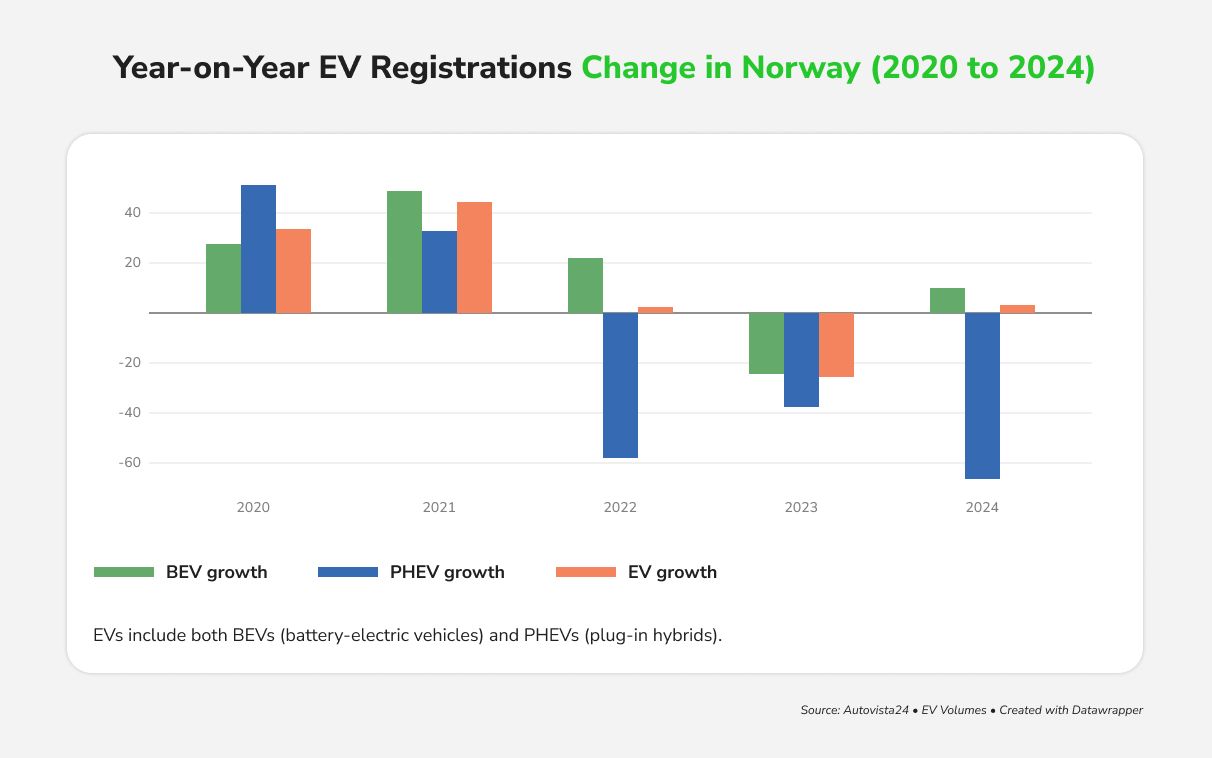
    Norway continues to lead the world in electric vehicle adoption. In June 2025, EVs accounted for 96.9% of all new passenger car registrations, a milestone that signifies the country’s near-total transition to electric mobility. This record was surpassed in July, when EVs made up 97.2% of new car sales, reinforcing Norway’s position at the forefront of the global EV movement.

    Norway.jpg

    One key lesson from Norway is how comprehensive incentives and cultural support drive infrastructure naturally.

    The Norwegian government made EV ownership extremely attractive (no purchase tax, no VAT, free tolls, etc.), which created consumer demand that in turn spurred workplaces to add chargers to accommodate employees. Many Norwegian companies provide free or very low-cost charging for staff as a perk, and thanks to government policy, this is often cost-neutral for both parties (for example, providing free workplace EV charging is not considered a taxable benefit in Norway up to a certain limit, similar to how India treats subsidized canteen meals). Norway also heavily invested public funds in charging infrastructure, ensuring even smaller towns and rural areas have good coverage.

    The takeaway for India:

    • Incentivize both end-users (employees) and providers (employers):
    • If India continues to increase demand-side incentives for EVs while simultaneously offering benefits to companies such as recognition, ESG score improvements, or financial perks for installing chargers, the market will organically drive much of the rollout.

    • Invest in education and awareness campaigns:
    • Norway’s example shows that awareness matters. Government authorities and the Norwegian EV Association actively educated employers about the benefits of providing workplace charging, including environmental branding and improved employee satisfaction. Indian industry bodies can run similar campaigns to promote workplace charging as a smart business investment.

    • Plan ahead for grid capacity in high-EV zones:
    • Norway’s grid foresight included upgrading transformers in areas with high EV density. Indian utilities should take note, especially in business districts likely to experience a surge in daytime charging demand.

    Germany (and EU)

    Germany provides a case of integrating EV charging into policy and corporate practice through a mix of regulations and incentives. On one hand, the EU’s building directives now require new and renovated non-residential buildings to have a minimum number of charging points (e.g., at least one charger for every 20 parking spaces, under the updated Energy Performance of Buildings Directive). This means German workplaces are increasingly pre-wired for EV charging from the construction phase.

    On the other hand, Germany introduced a novel incentive: the tax exemption for employees for free charging at the workplace. Since 2017 (extended through 2030), if an employer offers free or discounted electricity for EV charging on-site, the employee does not incur it as a taxable fringe benefit.

    This policy led many companies to offer free charging as part of their corporate sustainability programs without tax paperwork hassle. Additionally, Germany rolled out grants for companies to install chargers, especially for small and mid-sized enterprises.

    For India, adopting a similar tax treatment could be a game-changer. Currently, if an Indian company provides free charging, there’s no specific tax guidance, but making it explicitly tax-free (or offering tax credits to employers) would remove any hesitation.

    Germany also underscores standardization and safety. The government enacted a Charging Station Ordinance (2016) to ensure all public chargers have common connectors and safety standards.

    As India’s network grows, focusing on common standards (Type-6/Type-7/Bharat/DC001/Type-2/CCS2 as default standards) will be vital to ensure any EV can plug in at any workplace or public station.

    Moreover, Germany’s push for “roaming” between charging networks (so one subscription works everywhere) is a practice Indian networks can emulate via unified payment interfaces. In short, the EU/German experience teaches that a combination of regulatory requirements, smart incentives, and emphasis on interoperability can accelerate workplace EV charging deployment and support various EV charging business models.

    In all these international cases, a recurring theme is that workplace EV charging is not just about technology; it’s about policy support and stakeholder buy-in. India stands to gain by adopting a hybrid of these approaches: encourage companies with incentives, mandate readiness in new buildings, and make it part of a broader cultural shift to EVs. By learning from these pioneers, India can leapfrog some challenges (such as charger underutilization or grid strain) and create a robust, future-proof workplace charging ecosystem.

    Investment Potential and Market Size of Workplace EV Charging in India

    The acceleration of charging infrastructure is a significant investment opportunity. The CEEW-CEF report (2020) estimated $2.9 billion for deploying public chargers by 2030 in the base scenario, covering hardware, installation, and grid upgrades. With scale projected to reach 2 million chargers, this number may rise.

    Beyond chargers themselves, investments in grid infrastructure (distribution upgrades, transformers) and charging software will be important. India’s deployment has grown at approx. 120% CAGR, and industry analysts predict robust growth through 2030.

    Moreover, strategic localization is underway. The CII-Edelman report noted that India has the potential to become a global manufacturing hub for EV charging stations and components.

    Domestic companies are ramping up production of everything from charging kiosks to power electronics. For investors, this means opportunities across manufacturing, CPO services, and even renewable energy integration.

    It’s worth noting that operational models are evolving rapidly. By 2030, many workplaces are expected to offer charging-as-a-service, specialized firms will install and operate chargers at offices, and employees or visitors will pay per use. This model is already taking hold, and it attracts investment into CPO startups that see revenue in kilowatt-hours dispensed rather than just hardware sales.

    For investors and stakeholders in the EV charging industry, the coming years represent a period of rapid boom, like telecom towers in the 2000s or solar farms in the 2010s.

    With over a million chargers forecasted and billions in investments required, opportunities span hardware manufacturing, software platforms, CPO services, and infrastructure financing. Importantly, the ecosystem is likely to remain data-driven with metrics like utilization rates, energy management, and ROI shaping strategies. We can expect innovative business models, such as energy companies partnering with real estate developers to integrate charging in commercial leases, or startups delivering end-to-end EV charging solutions for office parks (installation, software, and even renewable energy integration).

    Strategic investors should actively evaluate supply chain partnerships, from smart EV switchgear makers to aggregators enabling grid services.

    Business Models and ROI for Workplace Charging

    Norway-2.jpg

    Installing EV chargers is one thing; making them financially and operationally viable is another. Here we explore business models, monetization strategies, and return on investment (ROI) for employers and building managers:

    Monetization & Pricing Models

    Many companies face the question: should we offer charging for free or charge a fee? Globally, around 80% of workplaces that provide EV charging have offered it free to employees, treating it as an employee amenity like free parking. Free charging can significantly incentivize EV adoption, but it also incurs electricity costs. Some Indian companies initially offer free or heavily subsidized charging as a pilot, then move to a paid model once usage grows.

    Common pricing models include:

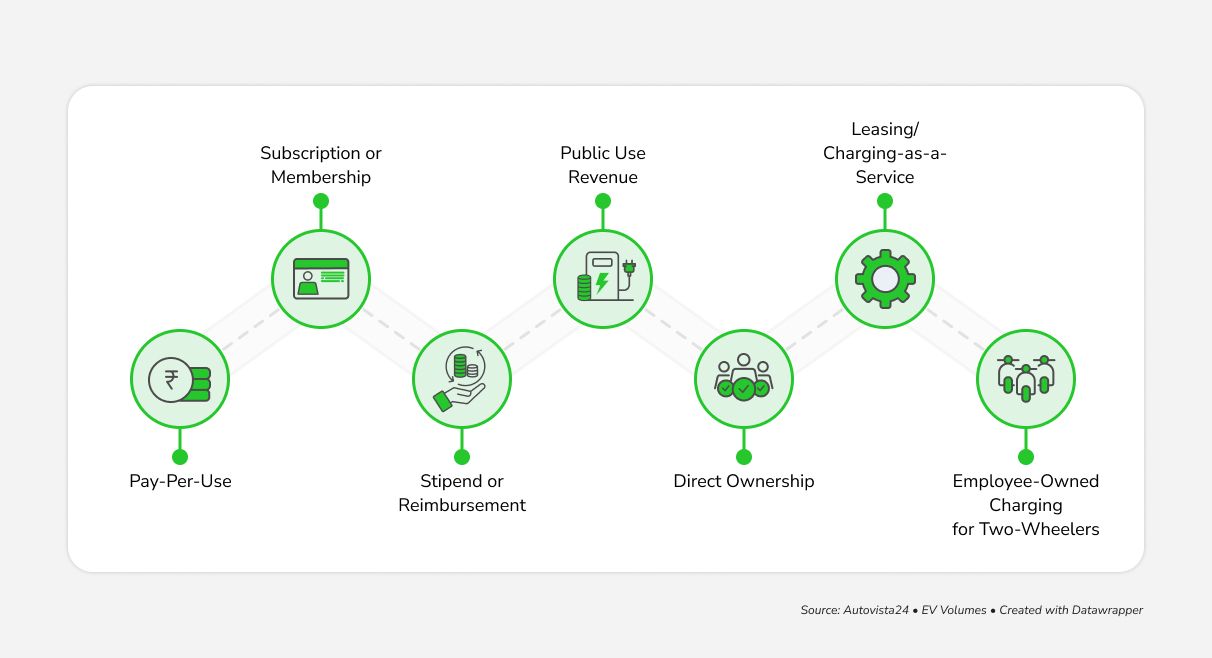
    • Pay-per-use: Charging the employee or fleet driver per kWh consumed or per hour. In India, typical rates are ₹10–20 per kWh for paid charging. Employers might charge at cost or include a small margin to cover maintenance.
    • Subscription or Membership: Employees pay a monthly fee for unlimited or discounted charging at work. This provides cost certainty and encourages regular use.
    • Stipend or Reimbursement: Conversely, some companies give EV-driving employees a monthly charging stipend (especially if charging is done on personal electricity at home). This can be an incentive baked into salary/benefits.
    • Public Use Revenue: An emerging model is to open workplace chargers to the public or visitors for a fee during off-hours. For example, a company may allow its chargers to be used by the public on weekends and bill them via a mobile app. This can generate a small revenue stream and improve overall utilization.

    Ownership vs. Service Models

    Organizations can either invest in owning the charging infrastructure or leverage third-party services:

    • Direct Ownership: The company purchases and installs chargers and either provides electricity free or handles billing internally. This gives maximum control and allows the company to capitalize on any government incentives like depreciation benefits or subsidies on chargers. Capital costs for a basic setup, say 5–10 AC chargers, might range from ₹5–10 lakhs, including installation and electrical upgrades.
    • Leasing/Charging-as-a-Service: EV charging providers offer turnkey solutions where they install and operate chargers at your site at little or no upfront cost in return for a service fee or revenue share. For instance, a provider might install chargers in an office parking lot and charge users per kWh, sharing a percentage with the site owner. This Public-Private Partnership (PPP) approach reduces risk to the employer. Several Indian startups and energy companies are active in this space, often proposing revenue-sharing models or fixed-service fees to workplaces.
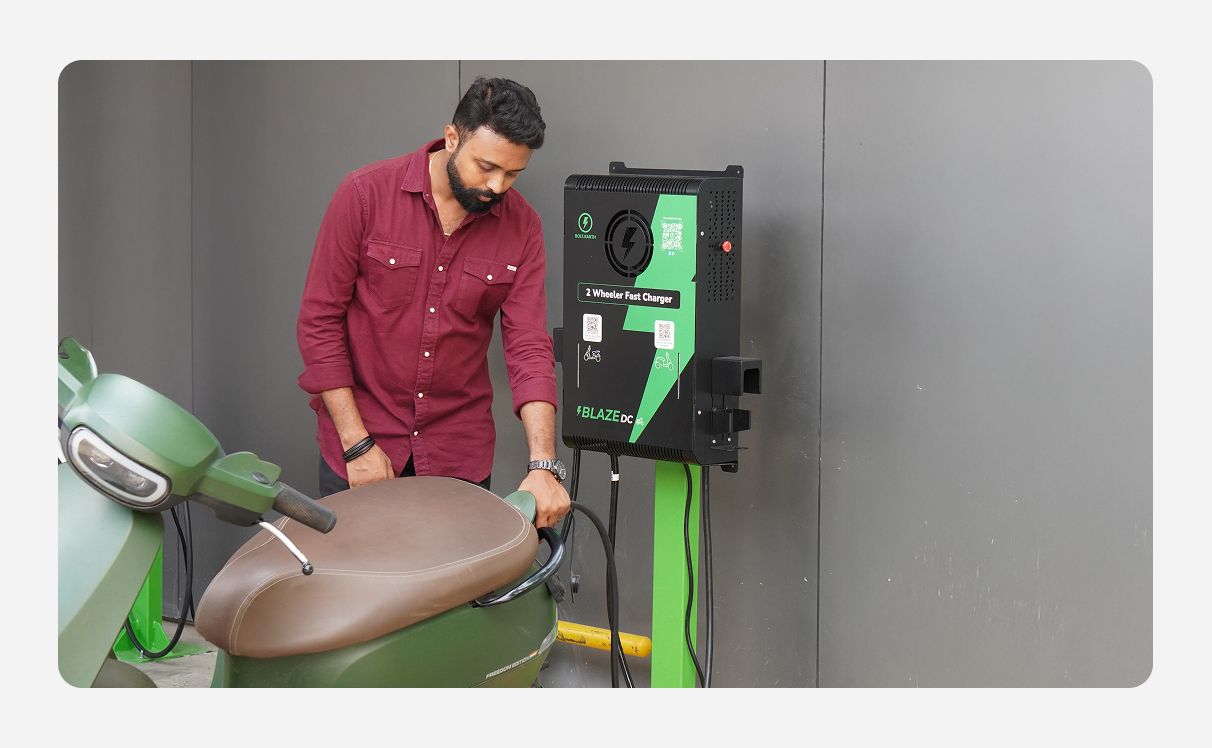
    • Employee-Owned Charging for Two-Wheelers: In Bengaluru’s IT parks, a simple and cost-effective model is gaining traction: employers provide basic 3-pin, 3.3 kW charging sockets in parking areas, and employees use their own portable chargers, typically bundled with their electric two-wheelers. This approach requires minimal infrastructure, avoids the complexity of smart chargers, and allows companies to recover costs through a nominal usage fee. It’s a practical way to support EV adoption without heavy investment, especially for large campuses with high two-wheeler traffic.

    Return on Investment (ROI)

    Workplace charging can be measured in both direct financial terms and indirect benefits:

    • Direct ROI: Charging stations can generate revenue when offered as a paid service. For example, at ₹15/kWh and an average of 4 kWh dispensed per workday, one Level-2 charger could earn approx. ₹1,200 per month. With higher utilization, revenue scales up. One analysis projected a ₹2.95 million public charging investment yielding ₹1.7 million net profit over 5 years, with utilization rising from 15% to 65%. While office chargers operate at a smaller scale, employers can still break even within a few years.
    • Intangible ROI: Many companies adopt workplace charging for its indirect returns. Better ESG and sustainability scores improve brand image and stakeholder relations. It also supports employee retention; eco-conscious professionals value green workplace initiatives. Additionally, reduction in commute-related CO₂ emissions can contribute towards ESG reporting. Some firms even include avoided emissions from employee EV usage in sustainability reports.
    • Tax and Incentives: The Indian government has begun offering incentives for charging infrastructure. For example, some states provide capital subsidies (up to 50–100% of charger cost) for installations in workplaces or public spaces. There are also tax benefits: under income tax rules, businesses can claim accelerated depreciation on EV charging equipment, lowering taxable income. Any GST reduction on EV chargers (currently 5% GST) and schemes like the Fame-II subsidies for charging stations also improve ROI. Employers can thus take advantage of these policies to reduce upfront costs, shortening the payback period.

    Public-Private Partnerships & Service Models

    In India, new partnership models are emerging to fund and operate charging networks:

    • Energy companies have inked Memorandums of Understanding (MoUs) with large firms and real estate developers to deploy charging points at offices, malls, and highways. For example, bp (British Petroleum) and Infosys announced a collaboration to provide Energy-as-a-Service on Infosys campuses, integrating solar power, EV charging, and battery storage on a digital platform. Such partnerships bring expertise and capital from energy companies to create smarter charging ecosystems on campuses.
    • Fleet operators and logistics companies often work with charging providers to set up depot infrastructure. A notable trend is companies like Amazon and Flipkart partnering with charging specialists (Flipkart with Adani, Amazon India with Gentari) to roll out charging hubs for their delivery fleets. These hubs may serve multiple fleet owners in the area, effectively acting as multi-client charging depots.

    Pricing Strategies and Cost Management

    To ensure a sustainable operation, building managers consider:

    • Time-of-Day Pricing: Incentivizing employees to charge at certain times, like encouraging daytime charging when solar power is abundant and rates are low. If an office has solar panels, midday charging might even be free or discounted to utilize surplus generation.
    • Demand Charge Management: For commercial electricity tariffs, high peak demand (kW) can incur hefty charges. Smart charging systems can stagger charging to avoid spiking the building’s load (discussed more under Technology Trends). This protects the facility’s electricity bills and improves ROI by minimizing demand charges.
    • Maintenance and Reliability: A charger that is frequently down for maintenance loses revenue and frustrates users. Many opt for annual maintenance contracts (AMC) or choose units with remote monitoring to ensure high uptime. Some providers include maintenance in a service model, which can be cost-effective.
    • Scaling vs. Stranding: There is a fine balance in how many chargers to install. Installing too few leads to queuing and unhappy users; too many can mean underutilized assets. Companies often start with a pilot (a handful of chargers) and expand as EV adoption among employees rises. The modular nature of charging, like adding ports as needed, helps manage capital efficiently. Additionally, installing conduit and panel capacity for future chargers during initial setup (when civil work is done) significantly lowers cost for expansion, a practice recommended in building guidelines.

    Final Thoughts

    Global markets have shown that workplace EV charging succeeds when policy, private enterprise, and user behavior align. From China’s mandates to Norway’s cultural momentum and the US’s corporate-led adoption, the path is clear: create incentives, build trust, and ensure ease of use. But the real opportunity lies in India’s ability to leapfrog, to design scalable, smart, and sustainable models that are rooted in its unique economic and infrastructural context. With the right blend of mandates, partnerships, and business innovation, India can unlock a trillion-rupee opportunity in workplace EV charging and take a decisive step toward its electric future.

  • Part 1: The Future of Workplace EV Charging in India

    Part 1: The Future of Workplace EV Charging in India

    Is home charging really accessible for India’s EV owners?

    According to McKinsey’s Global Automotive Consumer Survey: India, 55% of EV owners in India have access to home charging, while the remaining 45% rely on alternatives like public, shared, or workplace EV charging India to charge their vehicles.

    However, access to public charging in India is still evolving. Today, the country has approximately 1 public charger for every 135 EVs, compared to a global average of 1 charger per 6 to 20 EVs, highlighting the need for more destination-based EV charging infrastructure.

    This charging gap opens up a clear opportunity, especially as millions of Indians return to offices post-pandemic. For most commuters, the workplace is where their vehicle sits idle for 8–10 hours a day, an ideal window for charging.

    Globally, studies show that combining home and workplace charging can cover over 90% of daily driving needs. And in India, where public charging remains limited and home charging isn’t universal, the workplace EV charging in India is emerging as the next high-impact node in the EV ecosystem.

    Yet, most Indian offices and depots are not EV-ready. While corporate fleets still account for less than 20% of EV adoption in India, demand is rising fast, driven by ESG targets, cost savings, employee expectations, and the promise of smarter, solar-integrated, grid-aware EV charging infrastructure.

      In this article, we focus on the following three questions:

    • What are the benefits of workplace EV charging in India?
    • What is the current state of workplace EV charging in India?
    • What is the future of workplace charging in India, and how will it scale by 2030?

    3 Benefits of Workplace EV Charging in India

    Providing EV charging at corporate campuses presents a win-win opportunity. For employees, they get a convenient “top-up” charging, and for employers, this amenity enhances the company’s sustainability profile and employee satisfaction.

    According to a 2022 KPMG analysis, the majority of charging for private EVs in India, particularly two- and four-wheelers, is likely to be conducted at home or at work using AC slow/medium chargers. By installing EV charging stations, companies demonstrate ESG commitment and help overcome one of the biggest perceived barriers to EV adoption in India: lack of charging infrastructure.

    Encouraging EV adoption

    Encouraging EV adoption.jpg
    A recent survey in Bengaluru found that ~25% of people commute on two-wheelers, but many hesitate to switch to electric due to charging access. Workplace charging can directly address this: IT office parking lots host approx. 500,000 two-wheelers daily in Bengaluru alone. Simply providing basic 3-pin sockets or AC charging points in these lots (even at a modest fee) would let employees charge over 6–8 hours of work, ensuring they have enough range to get home and back the next day. Such initiatives could create a massive incentive for millions of commuters to opt for EVs nationally.

    Employee benefits and retention

    Employee benefits and retention.jpg
    Free or low-cost charging is seen as a valuable perk. Companies offering workplace charging have reported improved employee satisfaction and retention. Globally, employees have indicated that workplace charging access influences their choice of employer; one survey found 82% of EV drivers consider on-site charging an important benefit. In India, forward-thinking firms like Vedanta and MakeMyTrip are subsidizing employee EV purchases and installing campus charge points as part of “green perks” packages.

    Reducing emissions and costs

    Reducing Emissions and Costs.jpg

    Workplace charging aligns with corporate sustainability goals. Every kWh delivered at work (especially if coupled with solar power) displaces fossil fuel usage in employees’ commutes. EVs also cost far less per km to run, around ₹1.2–1.5 per km versus ₹5–7 for petrol cars, translating to savings for employees. Workplace charging thus directly supports staff in cutting their fuel bills and carbon footprint.

    Current State of Workplace EV Charging

    As of 2025, India’s EV charging infrastructure has grown rapidly, supported by both government initiatives and private sector participation. Workplace charging, is gaining traction as businesses incorporate EV facilities for employees and fleet vehicles. Corporate leaders are now treating EV charging stations as an essential amenity for offices, comparable to Wi-Fi or parking security, to future-proof their facilities and align with sustainability goals.

    Key aspects of the current state include:

    Surge in charging points

    According to the Ministry of Power, India had 12,146 operational public EV charging stations as of February 2, 2024, nearly double the count from 10 months prior. Major business hubs lead in charger deployment, for example, Maharashtra and Delhi had approx. 3,079 and 1,886 public chargers respectively by early 2024. By mid-2025, the total number of public chargers is expected to be well beyond this figure (likely in the 15,000–20,000 range) as new stations come online monthly. Notably, oil marketing companies (IOCL, BPCL, HPCL) aggressively added stations at their fuel outlets – around 8,000 fast chargers were installed by these firms during 2023–24 alone, under FAME II funding support. This expanded network directly benefits workplaces located near highways or urban fuel stations, improving charging access for commuting employees.

    Private and captive charging growth

    Private and captive charging growth (1).jpg
    Alongside public chargers, there’s been a boom in private (captive) charging at workplaces, apartment complexes, and fleet depots. A recent industry report noted that by 2024 India had about 76,000 charging points in total (public + captive) and over 320,000 private chargers (mostly home chargers) installed. Many large companies, especially in IT parks, logistics, and hospitality, have set up dedicated employee charging stations. These are typically AC slow/medium chargers (3.3 to 7 kW) that can top up vehicles over the workday. The majority of charging for private EV owners in India is expected to happen at home or at work using AC chargers, a trend now visible in corporate sustainability plans. For example, tech campuses in Bengaluru and Gurugram have started offering free or subsidized EV charging, paralleling practices in Silicon Valley.

    Scalability for decarbonization

    Public-private partnerships is emerging to build large charging hubs for commercial use. For instance, Flipkart partnered with a utility to set up 38 dedicated charging sites (190 fast chargers) across cities to support its delivery of EV fleet. These hubs not only serve company vehicles but can often be opened to other fleets or even the public, maximizing utilization. The opportunity is huge: India’s logistics and service sectors operate millions of vehicles, and electrifying even a fraction by 2030 will require thousands of depot charging stations.

    How India’s Charge Point Operators (CPOs) are powering the workplace charging ecosystem

    The charging infrastructure market now hosts 40+ active CPOs offering various hardware and software solutions. Many national and global players are now partnering with corporates and real estate developers to install chargers at workplaces, shopping centers, and parking lots. The private sector’s role is evident in the growing diversity of charger types, from 15A charging sockets to Type 6 and Type 7 connectors (primarily for two- and three-wheelers), Type-2 AC connectors for cars, and 60 kW CCS2 DC fast chargers for commercial fleets. The ecosystem has matured to the point where workplace charging solutions — such as load-managed smart charging for office parking garages and charger management systems (CMS)— are now offered as turnkey services by emerging energy startups.

    Government initiatives and policies

    The policy environment in 2022–2025 has significantly favored faster charging rollout:

    In 2022, the government issued revised Guidelines and Standards for EV Charging Infrastructure. These allowed individuals to use existing electrical connections at homes/offices for charging EVs, mandated that distribution companies provide connections for public chargers expeditiously, and capped tariffs for EV charging (with a special EV tariff not exceeding the average cost of supply. Such measures directly encourage workplaces to install chargers, since offices can now easily add charging points on their premises without regulatory hurdles.

    Several state EV policies (e.g., Maharashtra 2021, Karnataka 2022) include provisions for charging infrastructure in commercial buildings. Delhi’s subsidy for 30,000 private chargers was fully subscribed, boosting installations in office complexes and apartments. States like Telangana, Tamil Nadu, and Gujarat have also provided capital subsidies or tariff concessions for charging stations, spurring private investors to set up charging hubs that often cater to nearby office clusters.

    In late 2024, the government approved the PM e-Drive (Electric Drive Revolution) scheme, essentially FAME II’s successor. With an outlay of ₹10,900 crore for 2024–26, it earmarks ₹2,000 crore specifically for charging infrastructure. This injection of investment is accelerating installations in cities with high EV adoption and along key highways. We are already seeing the impact in 2025: tenders and grants for workplace charging clusters (in government office complexes and tech parks) have been rolled out under this program.

    More ease of access for users

    With more chargers around, using an EV for commuting is far more practical in 2025. Payment and access have been streamlined. Most public and workplace chargers support digital payments and interoperable RFID/mobile app access, often integrated via aggregators or the government’s One Nation One Card for EVs initiative. Tariffs for workplace charging are often subsidized by employers or offered at cost (and remember, in India charging at the workplace using an employer’s electricity is allowed on the company’s connection). This ease of access is encouraging more employees to consider electric company cars or to switch to electric two-wheelers for their daily commute. Backing this shift, several companies now offer reimbursement programs that make buying an EV not just sustainable, but financially rewarding.

    Outlook 2025–2030: Forecasts and Future Trajectory

    The next decade will be transformative for EVs in India, and workplace charging infrastructure is expected to grow exponentially to keep up with rising demand. Key forecasts and data-backed estimates include:

    EV adoption rates

    Government targets and industry projections indicate that EVs could form 30% of new private car sales, 70% of commercial vehicle sales, 40% of buses, and 80% of two- and three-wheeler sales by 2030. In absolute numbers, one analysis projects around 50 million EVs on Indian roads by 2030, up from only ~2 million in 2023. This surge will be driven largely by two/three-wheelers and commercial fleets, segments that heavily rely on workplace or depot charging.

    Charger deployment needs

    To support these EVs, India will need a massive build-out of charging infrastructure. Estimates vary, but a 2024 report by Forvis/Mazars suggests about 1.3 million charging stations will be required by 2030 (roughly a 1:40 charger-to-EV ratio). This implies installing approx. 400,000 chargers per year through 2030. For context, as of early 2024, India had only approx. 16,000 public charging stations. A significant share of the new chargers will be semi-public (at workplaces, malls, fleet depots, etc.) rather than purely public ones. Workplaces are expected to become a major venue for EV charging, second only to home charging, as EV adoption expands.

    Workplace charger demand & utilization

    As more employees drive EVs, the demand for office charging points will rise. Today, the availability is limited; only about half of EV drivers in one 2025 survey had access to workplace charging, but employee interest is extremely high. In the US, 98% of surveyed commuters without workplace charging said they want it available, and Indian employees echo similar sentiments anecdotally. We can expect utilization of workplace chargers to start modestly perhaps a few uses per charger per day when EV penetration is low) and climb steadily through 2030. Global data shows that when offered, many EV owners plug in at work 1–3 times per week, mostly to replenish the daily commute. One US Department of Energy program found that employees at companies with charging were six times more likely to drive an EV than the average worker.

    Typical charger utilization

    A single Level 2 charger can often fully charge 2–3 cars during an 8-hour workday if drivers rotate, but in practice, cars often remain plugged in for the entire workday. This means that current utilization (charging time vs. connected time) is relatively low. However, as EV numbers grow, we can expect smarter usage policies to increase throughput. By 2030, it’s plausible that workplace chargers will operate near capacity during daylight hours, especially in large campuses. Fleet depot chargers will also see intensive use. For example, ride-hailing and delivery fleets might cycle vehicles such that each charger is used for multiple sessions per day. Overall, industry planners anticipate average charger utilization rates rising from <15% in early years to 40%+ by the late 2020s for public/commercial chargers, as EV adoption reaches critical mass. High utilization is key to making the economics of charging stations viable.

    EV charging cost trends

    The cost of EV charging equipment and installation is expected to gradually decrease, making workplace chargers more affordable. Today, a basic 3.3–7 kW AC charger unit in India costs on the order of ₹10,000–₹100,000 (plus installation), while a 60 kW DC fast charger costs over ₹5 lakh. These costs have already fallen from a few years ago, thanks to local manufacturing and economies of scale.

    By 2030, continued innovation and volume production could further reduce hardware costs per charger by 20–30%. Additionally, battery improvements might allow smaller chargers to deliver more service, improving cost-effectiveness. On the electricity side, tariffs may evolve with more time-of-use pricing, potentially lowering off-peak charging costs. Overall, the total cost of providing workplace charging (per vehicle served) is expected to trend downwards, improving the business case for employers.

    Energy demand and grid impact

    If tens of millions of EVs charge at homes and workplaces, what does it mean for energy demand? According to a 2019 Brookings India study, even under a scenario where all vehicle sales shift to electric, EV electricity demand would remain under 100 TWh by 2030, but still make up between 1.3% and 4.8% of India’s total electricity use that year. Daytime/work charging is actually advantageous for the grid if it aligns with solar generation. India’s policy think tanks note that unmanaged evening charging (everyone charging after 6pm) would stress the grid, but shifting more charging to daytime (at workplaces during solar peak hours) can reduce loads and cut emissions. Thus, forecasts to 2030 increasingly favor “solar-friendly” charging patterns, with workplaces playing a crucial role in absorbing midday solar surplus by charging cars while the sun shines. By 2030, we may also see vehicle-to-grid pilots where workplace EVs can discharge power back to the grid or building during peaks (this remains experimental but could become part of beyond-2030 forecasts for office campuses).

    Policy trends and government roadmap

    Policy will continue to be a key driver. We can expect:

    Continued incentives

    The upcoming years might see an extension or evolution of subsidy schemes. With FAME II concluded, the PM e-Drive scheme (2024–26) provides fresh capital for chargers. If the EV sales trajectory remains steep, policymakers could extend such incentives beyond 2026. We might also see state-level mandates, for instance, requiring office complexes above a certain size to install EV chargers (some cities globally have done this). In India, several state governments already require new commercial buildings to allocate 20–25% parking for EVs with charging facilities; enforcement of these rules will tighten by 2030.

    In short, through 2030 and beyond, workplace charging infrastructure in India will expand from a niche offering to a mainstream feature of corporate campuses and logistics hubs. We will likely go from only a few thousand workplace chargers today to tens of thousands (if not more) by 2030. This growth will mirror and support the rapid rise in EV ownership, helping India stay on track to meet its electrification and climate goals.

    In the next part of this series, we’ll explore what India, as an evolving market, can learn from other countries about building effective workplace EV charging networks. We’ll also break down the business models and ROI structures that are working globally. And finally, we’ll highlight where the real investment opportunities lie for Indian enterprises, utilities, and infrastructure players.

  • Why Blaze DC Is the Right Choice for EV Charging Hosts

    Why Blaze DC Is the Right Choice for EV Charging Hosts

    Historically, many businesses and residential complexes in India hesitated to host EV chargers due to perceived high costs and unclear benefits. But as EV demands surge and public charging remains scarce, a new reality is setting in: businesses that offer on-site charging stand to attract a growing wave of EV customers and gain a competitive edge over those that don’t.

    International trends echo this. Major retail brands like Starbucks and Walmart have invested heavily in EV charging, expecting it to increase customer dwell time and same-store sales. In the US, a comprehensive study across 800+ counties found that retailers located near public chargers saw a 4% increase in monthly visits and a 5% rise in spending on average. In other words, EV drivers actively seek out and patronize charger-equipped locations. Offering fast charging is no longer just a green gesture; it’s becoming a proven way to boost foot traffic, customer loyalty, and revenue.

    Blaze DC was built for exactly this opportunity. It’s a fast, intelligent charging solution tailored to businesses, property owners, and any EV charging hosts looking to turn the charging gap into a growth avenue.

    In this blog, we explore 5 reasons why Blaze DC is the right choice for EV charging hosts, helping you draw in EV customers, create new revenue streams, and deliver a seamless charging experience that sets your location apart.

    5 Ways Blaze DC is the Profitable Solution for EV Charging Hosts

    1. Increase footfall and customer dwell time

    Installing Blaze DC can transform your location into a magnet for the growing EV customer base. With convenient charging available on-site, EV drivers are more likely to choose your business over others, even going out of their way for a top-up in a safe, comfortable environment. Early-adopting retailers have already seen the impact: businesses within approx. 150 m of a charging station enjoy higher visit counts and spending from customers who charge while they shop.

    The logic is simple: if patrons can plug in their scooter or rickshaw and then grab a meal or do some shopping, they’ll linger longer and likely purchase more. This increased dwell time directly boosts sales.

    In fact, a US survey found EV drivers are willing to pay a premium for public charging convenience, and they overwhelmingly prefer venues that offer amenities during charging stops. By hosting Blaze DC fast chargers, you’re offering an experience that draws people in and keeps them coming back.

    2. Optimize space & serve more EVs with fast charging

    In many businesses, parking space comes at a premium. Blaze DC’s compact, wall-mountable design allows it to fit neatly onto a wall or a single parking spot, delivering fast charging without disrupting your layout or operations.

    Despite the small size, Blaze DC packs a punch: its DC fast charging capability drastically reduces charge times, so each parking spot with a charger can serve many more vehicles in a day compared to a slow charger.

    In fact, fast chargers service roughly 3× more vehicles per connector than typical AC units, according to a study done on 27,800 charging stations in Germany.

    For an EV host, this means you can accommodate more charging sessions without needing many dedicated bays. Customers get a meaningful charge in just 15 to 30 minutes, freeing the spot for the next EV drive; no one is stuck waiting hours.

    And faster turnaround keeps your parking area flowing smoothly, even as traffic grows. Blaze DC comes in 3 variants of 3 kW, 6 kW, and 12 kW you can choose from according to your use case, balancing speed and grid load to fit your space and capacity. Bottom line: Blaze DC lets you offer efficient charging, maximize utilization of each charger and parking spots.

    3. Tap into a high-margin revenue stream

    EV charging can be a lucrative new income source for host businesses. Public fast charging typically carries a hefty convenience fee. In India, DC fast charging rates hover around ₹18–₹22 per kWh, which is 2 to 3× higher than residential electricity rates. EV owners willingly pay this for a quick top-up, even though charging at home is much cheaper, because time is money on the road. This price difference translates into solid profits for the charger operator.

    One analysis found drivers are happy to pay ₹250–₹330 per hour for DC charging, despite it costing only about ₹60 in electricity for that time at home—a markup that goes into the host’s pocket. Even at modest utilization, a single Blaze DC can generate significant revenue. Industry data from early deployments in India shows that a busy public charger can earn ₹10–14 lakh per year from charging fees.
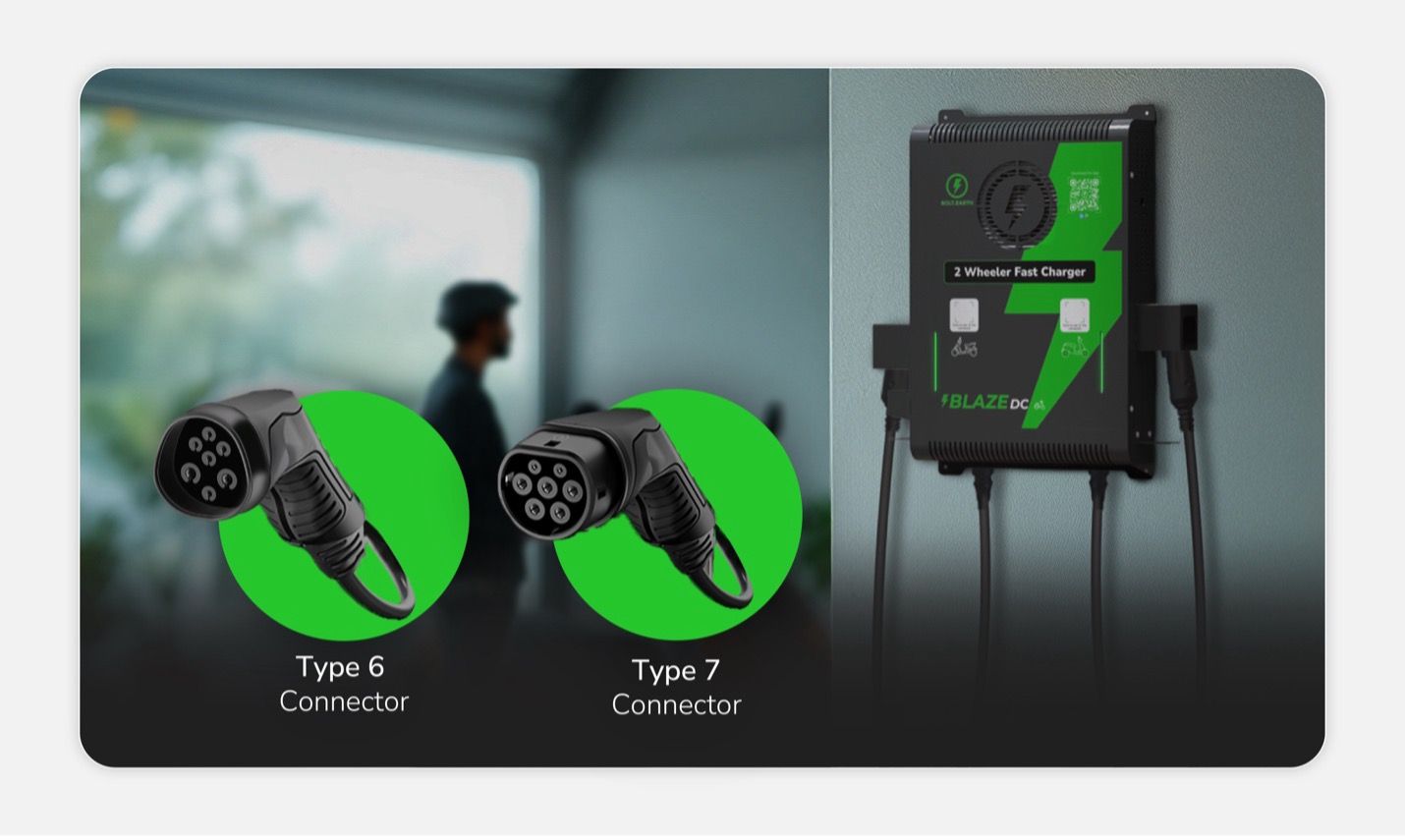
    With typical fast-charge margins of around 30–40% after electricity costs, that means ₹3–5 lakh in annual gross profit per charger. Moreover, government initiatives like the PM E-DRIVE scheme now offer subsidies (up to 80% of infrastructure costs) for installing public fast chargers, dramatically lowering your upfront investment.

    In short, Blaze DC doesn’t just pay for itself; it quickly becomes a profit center for your location, helping offset declining revenues in other areas and future-proofing your business model.

    4. Safety and smart reliability; built for worry-free operation

    When you provide EV charging to customers, you need it to work flawlessly every time; a malfunctioning charger could mean lost trust and business. Blaze DC is engineered with enterprise-grade safety and intelligence to ensure every charge is both safe and smooth. Each unit comes with a multi-layer protection system that operates autonomously in real time. This includes safeguards against:

    • Short-circuits
    • Over-voltage
    • Under-voltage
    • Earth faults
    • Reverse polarity
    • Current leakage

    Along with an emergency stop button for immediate cutoff. These protections are always-on and require no manual intervention, so even if a customer is charging unsupervised, you can be confident there’s no risk to them, their vehicle, or your premises.

    On the reliability front, Blaze DC’s built-in smart features minimize downtime. The charger is natively connected to the cloud via the Bolt.Earth CMS, enables live status monitoring, instant fault diagnostics, and predictive maintenance alerts.

    If an issue does arise, many fixes can be done remotely or with simple component swaps, thanks to its modular design (critical parts are field-replaceable in minutes). For a host operator, this means 99%+ uptime without needing on-site technical expertise.

    By choosing Blaze DC, you’re providing a safe, dependable service to your customers, backed by intelligent systems that keep it running smoothly in the background.

    5. Universal compatibility & future-proof flexibility

    One of the biggest headaches for charging hosts is dealing with multiple vehicle brands and charging standards. Nobody wants a charger that’s limited to one make or stuck with an outdated connector.

    Blaze DC eliminates that worry. It’s India’s first universally compatible DC fast charger for 2- and 3-wheelers and supports both the major connector standards, Type 6 (Bharat Charge Alliance’s DC standard) and Type 7 (the new LECCS fast-charge standard approved by the BIS), in a single unit.
    In practice, this covers over 90% of fast-chargeable EV models on Indian roads. Whether your customer drives an Ather or Ola e-scooter, a Hero MotoCorp, a Mahindra e-rickshaw, or any other popular model, Blaze DC can charge it seamlessly.

    As the market evolves toward these common standards, your infrastructure will remain compatible with upcoming vehicles, keeping you future-proof.

    The charger’s over-the-air update capability also ensures it stays current with the latest protocols and features. And with its robust design (IP54 weather protection, industrial-grade components), Blaze DC is built to last in India’s conditions, from high-traffic urban storefronts to outdoor parking lots. Choosing Blaze DC is a long-term investment in charging flexibility, ensuring that your site can serve the widest range of EV customers both now and in the years to come.

    Final Thoughts

    In a landscape where EV adoption is outpacing infrastructure, forward-thinking businesses have a golden chance to stand out by becoming EV charging hosts. Blaze DC makes that transition not only feasible but also highly rewarding. It enables you to offer a premium fast-charging experience that delights customers by letting them see their vehicle gain tens of kilometers of range over a quick cup of coffee or charge up while running errands without missing a beat. By doing so, you’re signaling that your business values convenience, innovation, and sustainability, which in turn builds goodwill and customer loyalty.

    At the same time, Blaze DC addresses the practical needs behind the scenes: keeping your operations smooth and profitable. From reducing parking bottlenecks with quick-charge turnover to generating new income with each charging session to minimizing maintenance headaches through smart monitoring, it’s a solution designed from the ground up for commercial viability.

    If you’re looking to deploy Blaze DC at your retail outlet, office complex, hotel, or any other site, our team at Bolt.Earth is here to help make it happen. You can purchase Blaze DC fast chargers directly through the Bolt.Earth website, or reach out to us for a tailored consultation and free site assessment.

    Email: [email protected]

    Phone: +91 80456 88455

  • Why Blaze DC Is the Right Choice for Delivery Hubs

    Why Blaze DC Is the Right Choice for Delivery Hubs

    Delivery hubs are the nerve centers of India’s fast-moving urban economy, powering everything from food orders and grocery runs to last-mile logistics. At the center of this network are EV fleets, especially two- and three-wheelers, covering millions of kilometers every day.

    In this blog, we break down 9 key reasons why Blaze DC is the right choice for delivery hubs, from minimizing idle time and improving fleet turnaround to unlocking government incentives and enabling scalable, on-the-ground execution. Learn everything you need to know.

    Many platforms like Yulu, Zepto, Swiggy, and Zomato are committed to going electric in the coming years.

    But there’s one operational constraint that can bring even the best-run hub to a halt: charging downtime.

    Depot-based charging locks vehicles out of circulation for hours—an unscalable model for businesses built on speed. What delivery hubs need instead is fast, distributed, and intelligent charging, a solution that works around the pace of operations, not against it.

    That’s where Blaze DC comes in: a rugged, modular, and ultra-fast charging solution built to scale across dense urban networks and distributed delivery hubs.

    9 Reasons Why Blaze DC Is a Game Changer for Delivery Hubs

    1. Maximizes vehicle utilization

    Delivery hubs thrive on high throughput, fleets often run 10–12-hour shifts with tight delivery windows. Any vehicle offline for depot-only charging (3–4 hrs per cycle) drastically undermines productivity. Fast charging at the hub enables quick 15-minute top-ups, allowing vehicles to return to service swiftly and complete more daily trips.

    Blaze DC is built to match that pace, with charging variants that flex across use cases, from neighborhood dark stores to high-volume sorting centers.

    Each model is designed for a different level of operational intensity:

      • 3 kW (Single / Dual Gun): ~40 km of range in 15 minutes

    Perfect for 2W fleets handling short-haul food or grocery deliveries, especially in residential zones where single-phase power is the norm.

      • 6 kW: ~80 km in 15 minutes

    Suited for e-rickshaws and 3W cargo vehicles handling medium-distance logistics or shift-based models. Fits well at mid-size delivery hubs with moderate load cycles.

      • 12 kW: ~120 km in 15 minutes

    Made for high-density hubs with round-the-clock operations. Ideal for urban sorting centers, transit points, or highway-linked fulfillment sites with heavy 3W movement.

    Blaze DC’s ability to deliver quick top-ups between delivery cycles keeps vehicles moving without disruption.

    This enables:

    • More trips per shift
    • Reduced dead mileage to and from depot chargers
    • Lower per-delivery charging costs
    • Greater flexibility in hub layout and charger placement

    In short, Blaze DC gives delivery hubs the speed, scalability, and uptime required to keep India’s last-mile economy running.

    2. Strategically distributed charging cuts deadhead miles

    Centrally located chargers force vehicles to travel back and forth solely to recharge—creating deadhead miles and reducing daily last-mile efficiency. Blaze DC’s distributed model transforms this, enabling more flexible operations.

    Research supports distributed charging strategies:

    • BCG shows that strategic routing and charging points can reduce unnecessary cruising by up to 70%, enhancing fleet utilization by nearly 40%.
    • Academic research shows that doubling charger density can reduce detour miles by around 58%, thanks to smarter charging placements.
    • For high-frequency fleets, even a minor diversion adds up: adding 3 km extra per trip per 100 vehicles means 300 km of wasted distance daily—time that could have been spent delivering.

    By installing Blaze DC fast chargers at dark stores, micro-fulfillment centers, storefronts, and highway pit stops, hubs bring power where vehicles already operate.

    This “charge-where-you-serve” strategy:

    • Slashes deadhead mileage and idle time
    • Enhances delivery density by improving the trip-to-charge ratio
    • Reduces vehicles needed to maintain the same service level
    • Lowers operating costs from efficient battery use and fleet scheduling
    • Improves battery lifespan through frequent mid-shift top-ups

    Understanding distributed charging through an example:

    Imagine this: A mid-sized delivery hub operating 100 EVs, each making 20 trips a day.

    With traditional depot charging, vehicles return to a central location to recharge, wasting around 150 km per day in return trips alone.

    Switching to Blaze DC can reduce off-route charging by up to 50%. That’s a weekly savings of approximately 75 vehicle-hours, time that can now be spent on actual deliveries, not detours.

    3. Built for safety, intelligence, and reliability

    Picture1.jpg
    Every Blaze DC unit is equipped with a multi-layer protection system engineered to handle the fast-paced, high-frequency charging demands of delivery hubs:

    • Short-Circuit Protection
    • Input Over-Voltage & Under-Voltage Detection
    • Output Reverse Polarity Protection
    • Current Leakage Detection
    • Earth Fault Monitoring
    • Emergency Stop Button

    These protections are fully automated; no technician or intervention is required mid-shift. Chargers self-monitor in real time, ensuring each session is safe for riders, ground staff, and the equipment itself.

    Beyond safety, Blaze DC is natively integrated with Bolt.Earth CMS, providing delivery hub managers with:

    • Live charger status across all hub locations
    • Instant fault diagnostics and performance alerts
    • Predictive maintenance triggers before downtime hits
    • Remote support and servicing to reduce on-site disruptions

    For delivery hubs running 24/7 with hundreds of daily charge cycles, Blaze DC offers what matters most: no surprises, no blind spots, and no missed deliveries due to charger issues.

    4. India’s first universal fast charger for 2- and 3-wheelers

    Picture3.jpg
    Current policy mandates a public charger every 3 km in cities and fast chargers every 25 km on highways. While CPOs have deployed thousands of chargers across the metro, many are still inaccessible or impractical for delivery hubs.

    Here’s what’s missing in most of today’s fast-charging networks:

    • Single-brand focus that limits use for mixed EV fleets
    • Consumer-first designs, not suited for high-traffic, round-the-clock logistics
    • Premium location bias, with most units in gated societies or malls—not near kirana stores, warehouses, or dark stores

    Blaze DC attempts to correct this imbalance.

    Its compact, wall-mountable form factor is ideal for space-constrained hub environments—parking bays, alleyways, loading zones, and even sidewalls at micro-fulfillment centers.

    Blaze DC is India’s first universal DC fast charger for 2- and 3-wheelers that supports both:

    • Type 6 (BCA-endorsed, IEC 62196-6)
    • Type 7 (formally BIS-approved under LECCS)

    This makes it compatible with over 90% of fast-charging EVs on Indian roads, including:

    • 2W delivery bikes: Ather, Ola, Hero, Simple Energy
    • 3W cargo vehicles: Bajaj, Mahindra, Euler, Altigreen, and more

    With Blaze DC, you can deploy a charger once, and charge any vehicle that shows up.

    5. Eligible for 80% government subsidies

    Under the Government of India’s PM E-DRIVE scheme, fleet operators, charging partners, and CPOs are now eligible for up to 80% subsidy on infrastructure costs for public fast-charging stations. That includes expenses like transformers, grid upgrades, and electrical cabling, the most capital-intensive components of any deployment. In exceptional cases, the scheme allows 100% subsidy coverage for critical power infrastructure.

    The only DC fast charger in India eligible under the scheme, Blaze DC’s 12 kW variant, meets all subsidy criteria. That means for every ₹1 crore invested, fleet operators and site partners can recover up to ₹80 lakh.

    Why it matters for fleet operators:

    • Cost barrier drops: Set up a fast-charging hub with just 20% of the usual upfront CAPEX. Meaning for every ₹1 crore invested, operators can recover up to ₹80 lakhs.
    • 2-scale-ready rollouts: With reduced costs, fleet operators can deploy multiple Blaze DC units across cities, creating a network of on-route fast chargers.
    • Subsidy-backed certainty: As fuel prices fluctuate, this scheme creates a reliable framework to invest in dependable charging infrastructure

    6. Built for measurable efficiency

    High-frequency delivery hubs operate where every second—and every rupee—counts. Blaze DC delivers not just faster charging but measurable business outcomes.

    • 4× less vehicle downtime

    A comparative study of 500 e-scooters in quick-commerce hubs found vehicle utilization increased dramatically with fast charging—enabling 92 deliveries/day versus 78/day with slower alternatives. Fast charging effectively slashed idle and charging downtime by up to 4×, making each vehicle significantly more active over its shift

    • 30–40% higher delivery density

    Fast chargers installed at dark stores deliver a 4–5 km coverage radius, with downtime averaging just 22 minutes/day—compared to 47 minutes with battery swap stations. This increase in availability boosted delivery density by roughly 30–40% per shift, meaning more earnings and fewer idle cycles.

    • 20–30% lower cost-per-km

    Fast charging’s operational efficiency also drives lower running costs:

    • Energy rates around ₹9–10/kWh and INR 400–600 monthly maintenance per vehicle.
    • Battery swap alternatives, by contrast, cost INR 11–13/kWh with higher infrastructure charges.
    • This efficiency delivered a 20–30% reduction in cost per kilometer, translating to real savings across high-volume hub operations.

    Picture4.jpg

    7. Minimizes costly downtime

    Delivery hubs operate under razor-thin timelines. When a fleet depends on 3–7 kW depot chargers, each full recharge can take 6–8 hours, making them practically unusable during busy shifts.

    A 30-minute delay per vehicle per session, for a hub of 100 EVs, adds up to 50 hours of lost productivity every day. That’s 50 hours not spent on deliveries but stuck in downtime.

    With Blaze DC, you can change this:

    • The 12 kW Blaze DC variant adds 120 km in just 15 minutes, reducing idle time by over . That means vehicles can remain in circulation instead of being sidelined.

    In essence, fast charging converts hours of downtime into effective vehicle time—directly boosting daily throughput, maximizing delivery potential, and helping hubs meet the demands of high-frequency, time-sensitive fleets.

    8. Supports policy-aligned charging

    India’s EV policy mandates a well-balanced mix of 3 kW, 7 kW, and high-power DC chargers across urban and highway corridors. But most installed chargers are slow-to mid-speed AC units, better suited to private vehicles—not the fast-paced, high-frequency demands of delivery hubs.

    For high-throughput operations handling thousands of orders a day, this gap is operationally unsustainable.

    Blaze DC bridges this policy-to-practice disconnect.

    With variants from 3 kW to 12 kW, Blaze DC delivers:

    • The speed needed to keep 2W and 3W fleets in constant motion
    • The scalability required to match hub density and rider volume
    • And full alignment with national fast-charging mandates

    This makes Blaze DC a practical choice not just for compliance but for performance.

    9. Designed for uptime

    When dozens—or even hundreds—of EVs are cycling through a hub daily, every minute a charger is offline impacts fulfillment rates, trip targets, and service SLAs.

    Blaze DC comes with Field Replaceable Units (FRUs)—a modular hardware system that allows key components such as the power module, charging gun, controller, communication board, 4G module, SMPS, and contactors to be swapped on-site within minutes by any certified technician.

    For hub operators, this removes one of the biggest operational hassles: waiting hours (or days) for technical support or specialized parts.

    Instead, Blaze DC enables:

    • Rapid fault resolution, even in peak load scenarios
    • Minimal disruption to vehicle charging queues
    • Lower maintenance costs with no dependency on OEM service calls
    • High charger uptime translates directly into more fulfilled deliveries

    Final Thoughts

    In a world where every second counts and every delivery window matters, Blaze DC gives delivery hubs exactly what they need to stay ahead—fast charging, minimal downtime, universal EV compatibility, and infrastructure that scales with demand.

    Whether you operate a network of dark stores, manage a centralized fulfillment center, or run hyperlocal delivery clusters, Blaze DC ensures your EV fleet stays charged, available, and efficient.

    For delivery hubs looking to electrify at speed—and at scale—this is the infrastructure built to keep up.

    To deploy Blaze DC at your hub, speak with our team today.

    Email: [email protected]

    Phone: +91 80456 88455
    Visit bolt.earth to explore Blaze DC in detail